Bringing Down the White Picket Fence
A Couple's Quest to Live Globally

Japan: Our Trip of a Lifetime
For a couple of years now we’ve been quietly stashing away points in our United airlines app for the trip of a lifetime: Japan. Once we’d accumulated enough points to obtain two roundtrip tickets from Newark to Tokyo, we paid the $100 in taxes and fees and finally booked the flight. It would turn out to be one of the best decisions of our lives.
On June 23rd, we Ubered to the Marriot Newark Airport to begin our long awaited journey to Japan. Sitting at the hotel bar, we toasted to our upcoming adventure and prepared ourselves for the 14 hour flight ahead. We were excited for the unknown, our first trip to Asia, and for the opportunities and challenges that come with visiting a new country. We have always found joy in learning how to navigate foreign city streets, trains, and subways, and to get to do this in Japan would be the ultimate test.
We practically skipped into the airport the next morning with two upgrades to Polaris Business Class, a last minute offer from United that we just couldn’t refuse. To travel to Japan with lay down seats, plush pillows and blankets, socks, slippers, amenity kits, and first class service was a luxurious dream come true.
It was in the United Polaris lounge that we were alerted that our direct flight was no longer direct and being diverted to San Francisco. Unsure of how a flight gets diverted before it even takes off, we later learned at the gate that due to the high temperatures in NJ that day and the weight and balance restrictions for airplanes, we’d have to stop at SFO to refuel. To go direct, United would have to remove 30 people and their respective luggage from the plane. In order to avoid that, we needed to make a pit stop. No need to deplane; just land, fuel up, restock, and go. 18 hours later, after a few naps, and a dinner over the Pacific, we’d make our final descent into Tokyo.
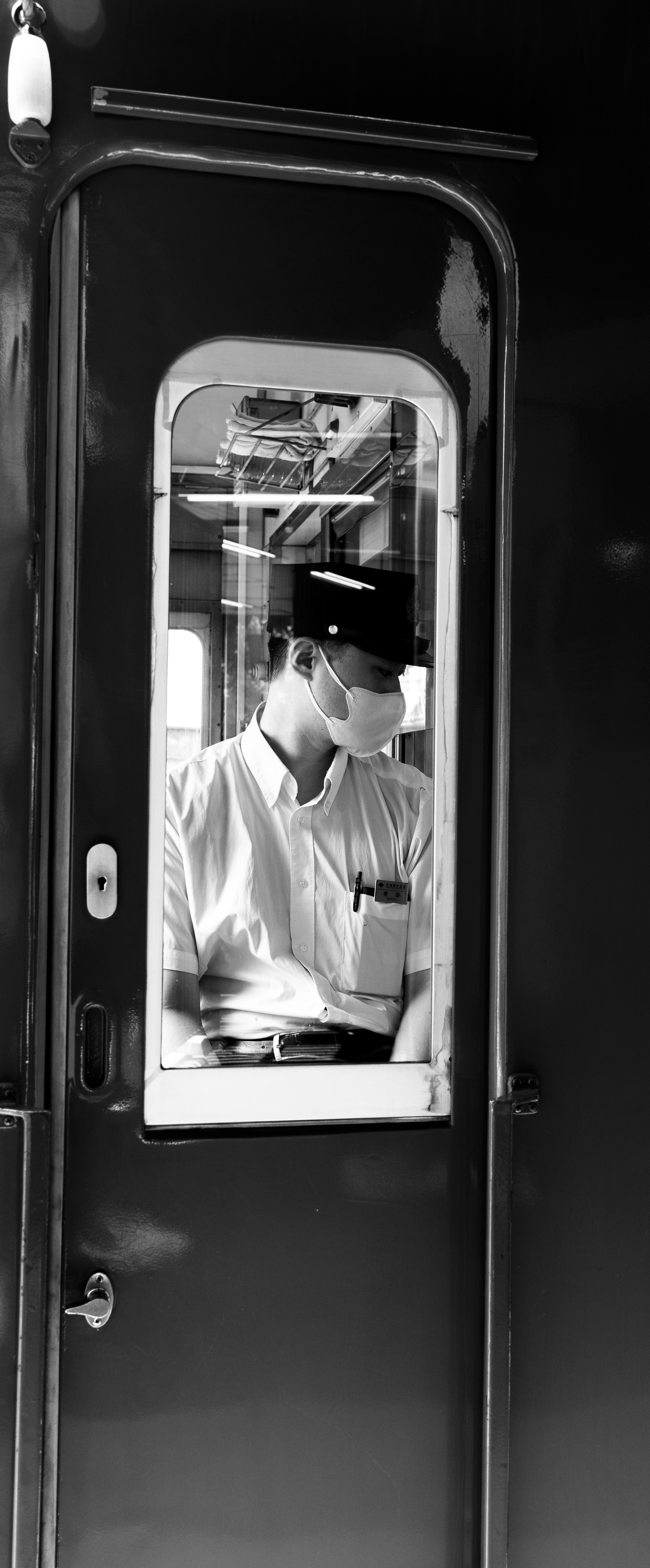
Upon arrival at Haneda Airport, we were giddy with excitement. We successfully used the ATM to get some Yen, and purchased train tickets into the city to transfer to the subway. We felt a little overwhelmed by our initial glance at the subway map, but it was easy to learn and we quickly became well-versed in Japanese train travel. The trains and subways all across Japan were efficient and clean, easy to navigate, and extremely quiet. Rail transportation in Japan appeared to us as strikingly different from the rail service we are accustomed to in the United States, and also different from our rail experiences throughout Europe. From our first ride, we learned that people do not talk on Japanese trains. The stations and train cars, while packed with people coming and going, are silent. It was a nice and welcoming change for us, and we enjoyed each and every ride as a delightfully peaceful respite from the intense heat and humidity that comes with visiting Japan in the summertime.
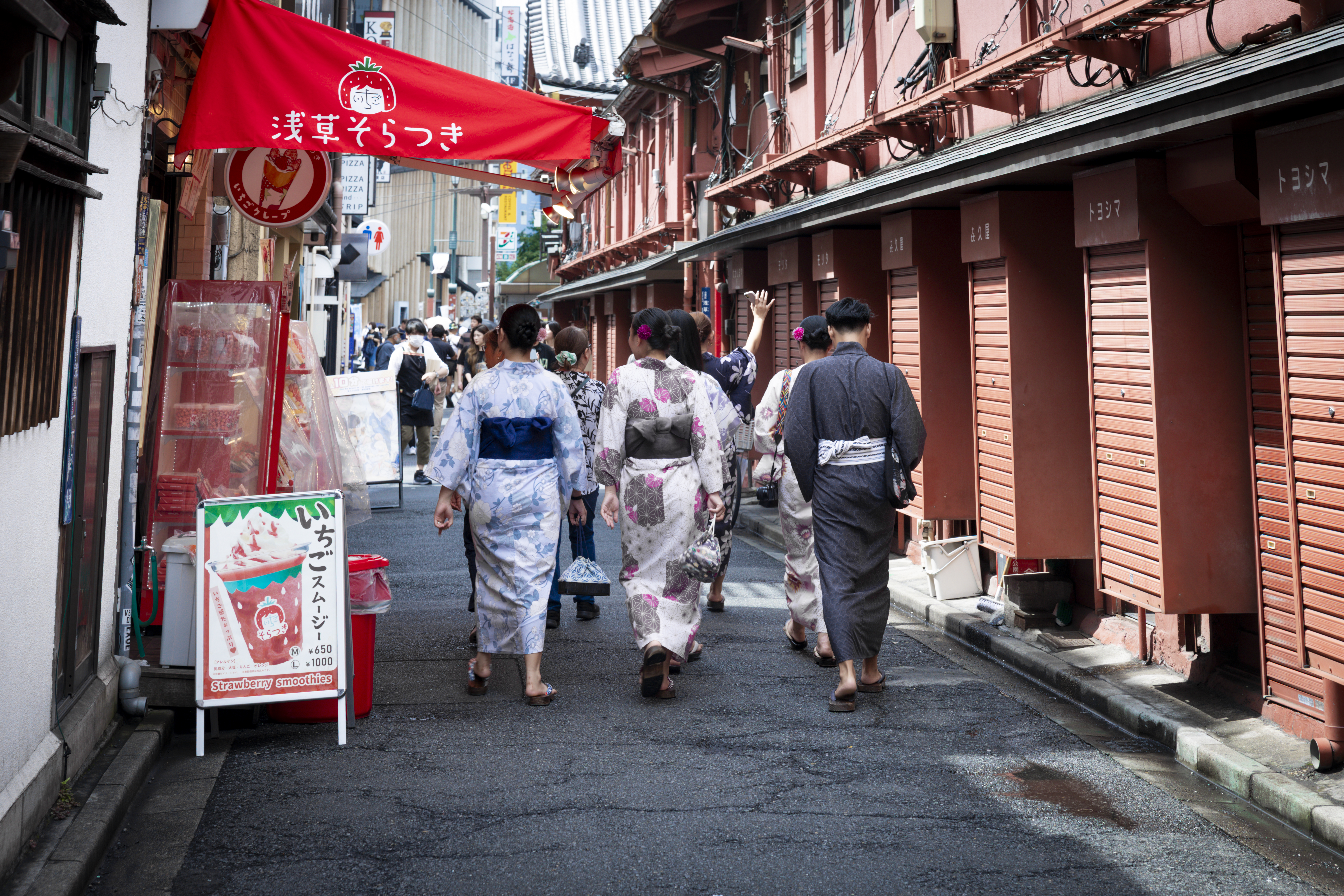
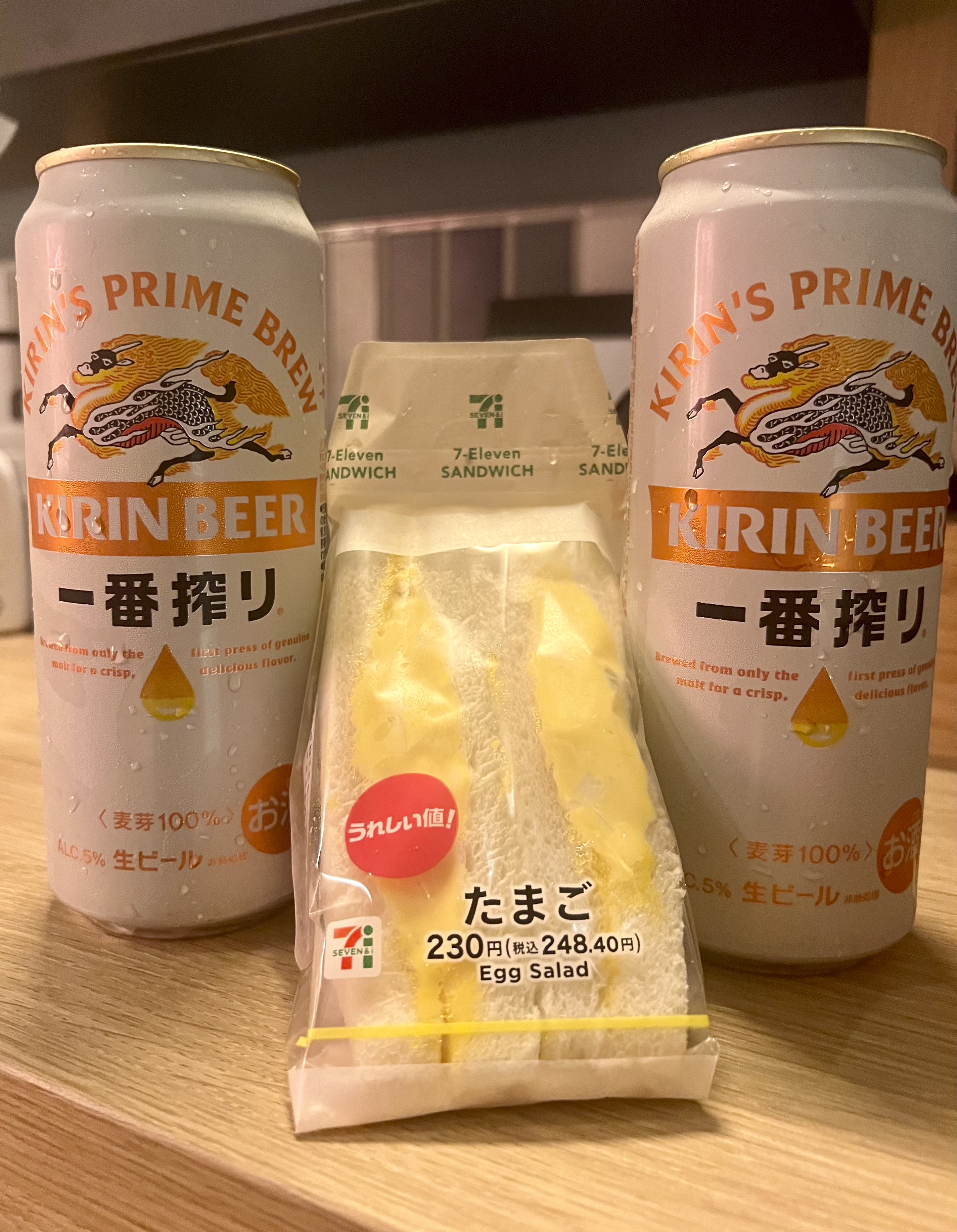
It was hot, very hot. The kind of steamy heat that you can see in the air. Traditionally there are less tourists in Japan in the summer due to the heat, although we did encounter quite a few in Shibuya Crossing and Kyoto. In Tokyo, you could find the tourists riding their Mario Karts in silly costumes through the most crowded intersection in the city (Shibuya Crossing). In Kyoto, you could spot them posing in kimonos and wooden shoes hoping to influence their thousands of Instagram followers. We were the ones walking the streets (we averaged over 17,000 steps a day), sampling the food, and trying to catch a bit of relief from the air conditioning that pumps from the entrances of the convenience stores. Just looking at any tourist in a kimono made us burst into flames, and we’d then have to stop for a beer to rehydrate.
Due to the heat, we did a lot of our sightseeing in the early morning. It was still over 80 degrees at 7AM, but a bit more tolerable without the intensity of the afternoon sun. The jet lag was real, but it got us up and out early before the crowds hit some of the most visited temples and shrines.
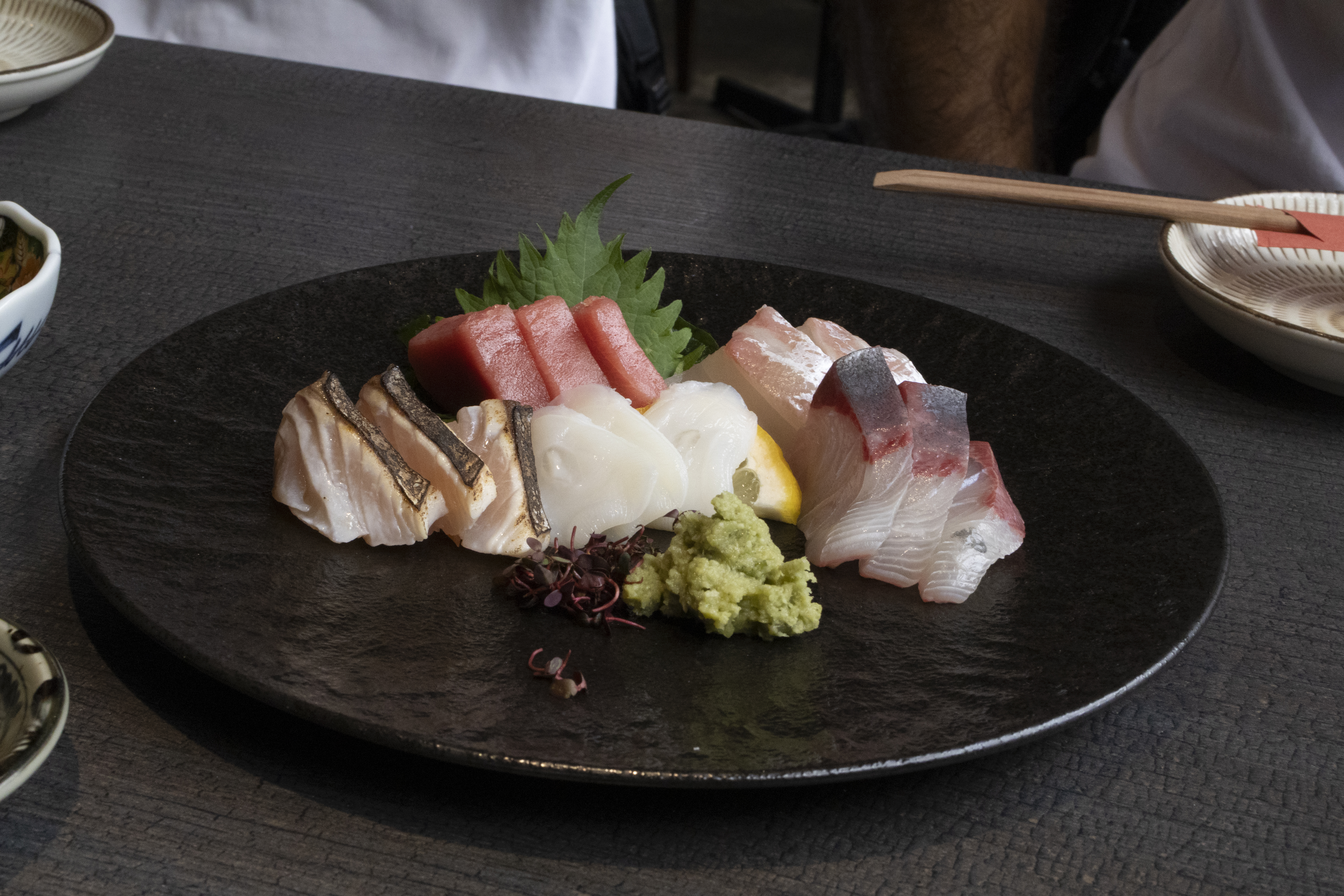
We took five food tours in Japan all with the same company, Ninja Food Tours. We found them online, and while they had excellent reviews, they’d also taken Phil Rosenthal on a tour on his show Somebody Feed Phil, so I knew they had to be a pretty reputable company. In Tokyo, we took their Izakaya Tour with our tour guide, Taiga, who took us on a whirlwind trip through Shinjuku for yakitori (grilled chicken skewers), sashimi, gyoza, and tonkatsu (Japanese pork cutlet). It was a delicious and exciting adventure into places we’d never find on our own, and it was interesting to talk to Taiga about his experience growing up in Japan. We did this tour after a very generous sake tasting also provided by Ninja Food Tours. Here we learned all about how sake is made and tried 6 different sakes. We are still amazed that we were able to make it to the food tour after so many liquid samples.
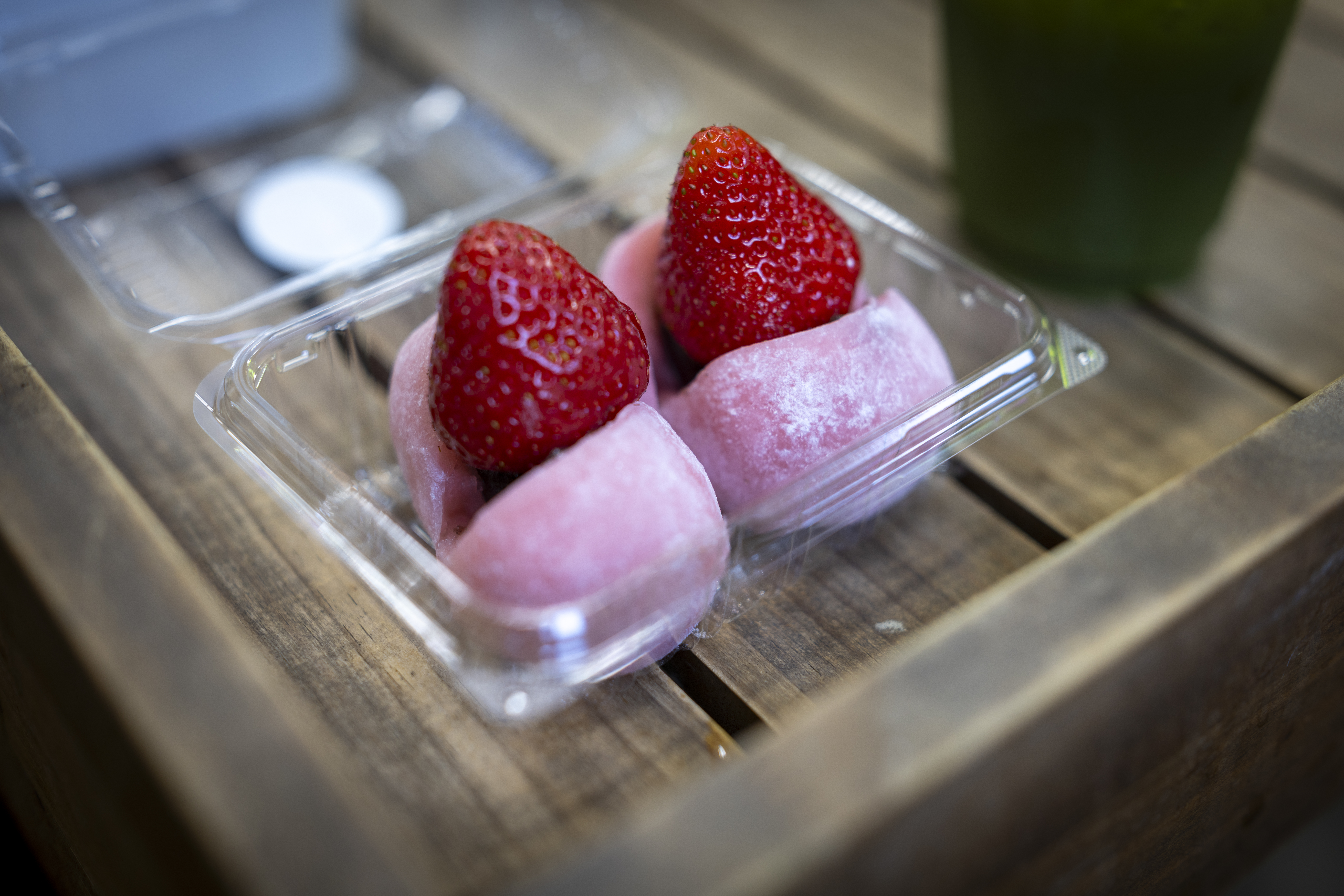
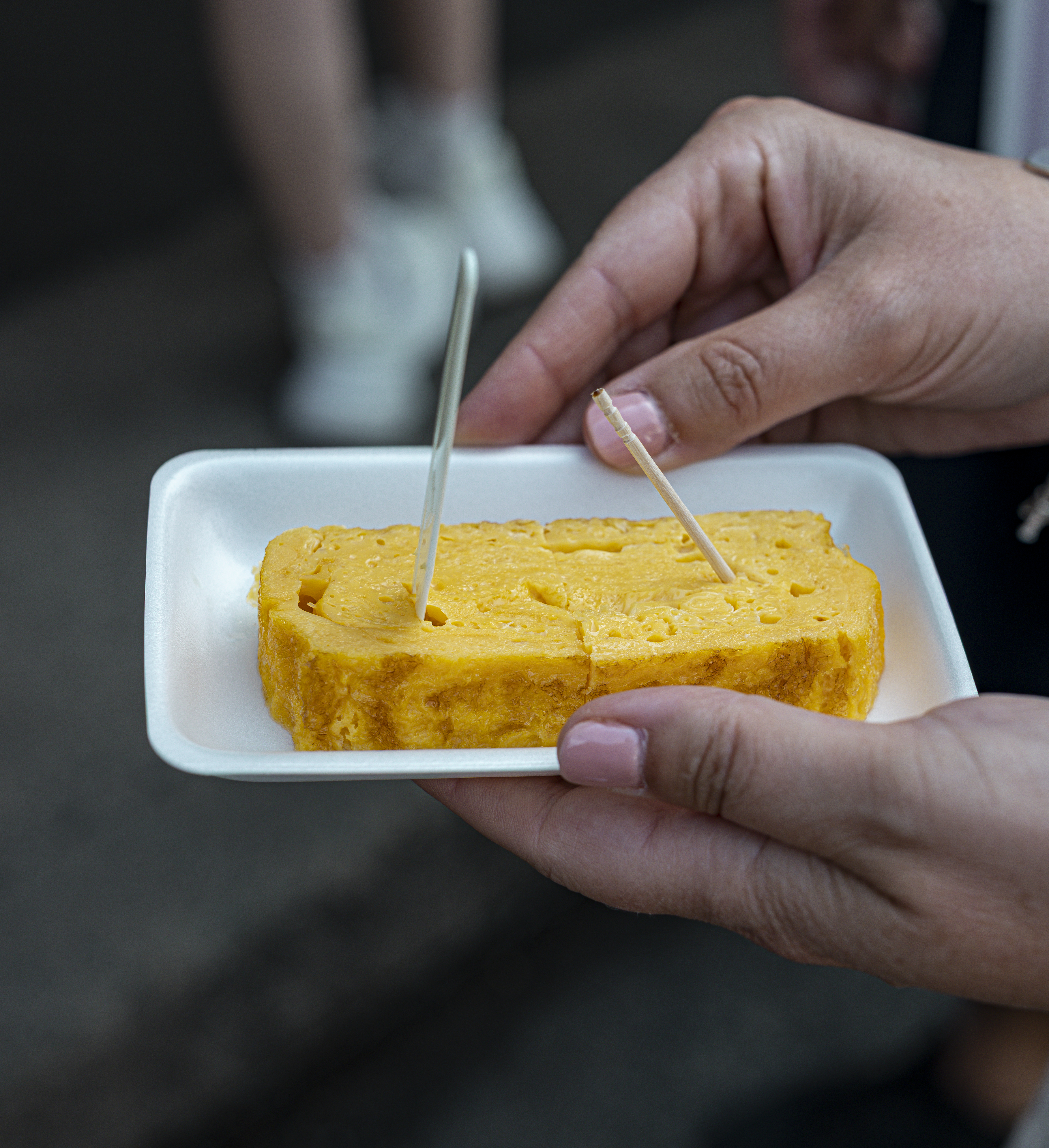
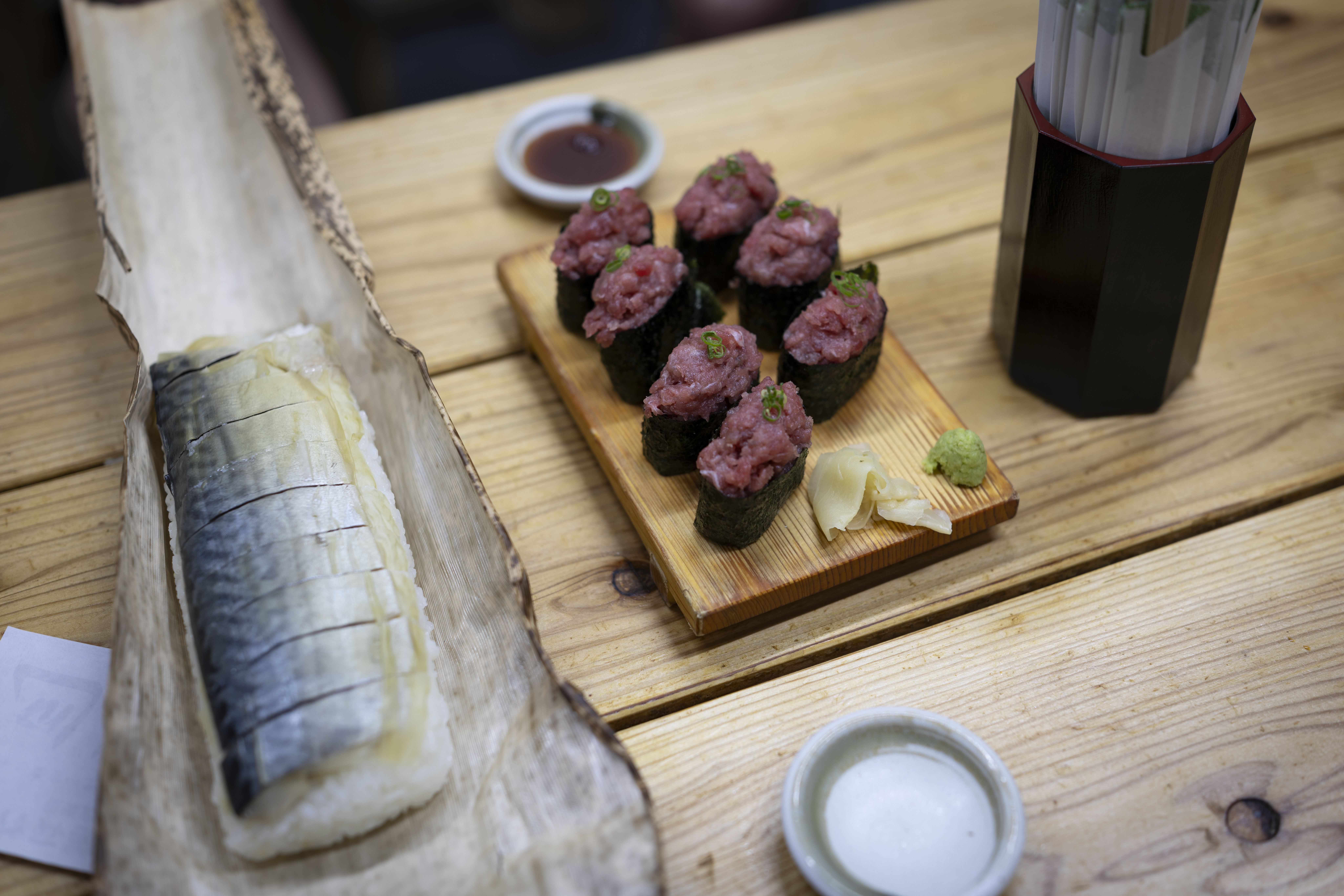
We also took the Tsukiji Fish Market tour where we sampled our first Japanese rolled omelette, sushi piled high with three different cuts of tuna, fresh mandarin juice, fried tuna bites, ramen, iced matcha with green plum, and rice cake pastries stuffed with red bean paste and strawberries. While most of the fish market had restrictions on taking photos, the experience remains vivid in our minds as we passed stalls piled high with wild species of fish and oysters the size of our hands. The tuna was tender like butter, and we officially declared we’d ruined ourselves for ever eating sushi at home again. And wasabi, that’s a green plant in Japan. You can buy it at the fish market and it’s grated. It’s not horseradish dyed green with food coloring like we get at most places in America. Yes, if you love sushi, you might want to read that again.

One of the things that we were eager to try when we got to Japan was the ramen. It was certainly something we had to talk ourselves into since a large piping hot bowl of soup didn’t seem like the kind of thing capable of cooling us down in the oppressive summer heat. But everyone eats it, no matter what the weather or time of day, with people lined up at ramen shops patiently and quietly waiting to buy their tickets and gain their spots in front of a bowl of noodles. Ramen in Japan comes in a great number of varieties, and since we weren’t sure which one we wanted to try first, we headed to Tokyo Station’s Ramen Street where about eight ramen shops are situated next to each other, each offering a different kind of ramen, many from a specific region of Japan. It was hard to decide which ramen shop to pick, but after scoping each of them out, we decided our first ramen tasting would be Shio Ramen Senmon Hirugao, a little restaurant offering a umami packed salt based ramen. While wiping our foreheads of sweat, we approached the ticket machine to purchase our ramen tickets, and we set forth to our table where we slurped our noodles and found solace in the most delicious bowl of soup we’d ever had the pleasure of eating. With a sliced egg floating atop the rich broth revealing its bright orange center, and soft dumplings nestled next to thin slices of pork, it was heaven in a bowl.
That reminds me to mention that some of the best places to eat and shop can be found in the train stations. They are filled with food stalls, restaurants, and department stores. The bathrooms are clean and the food is delicious, something we can hardly say about many of the train stations we’ve visited in other places we’ve traveled.
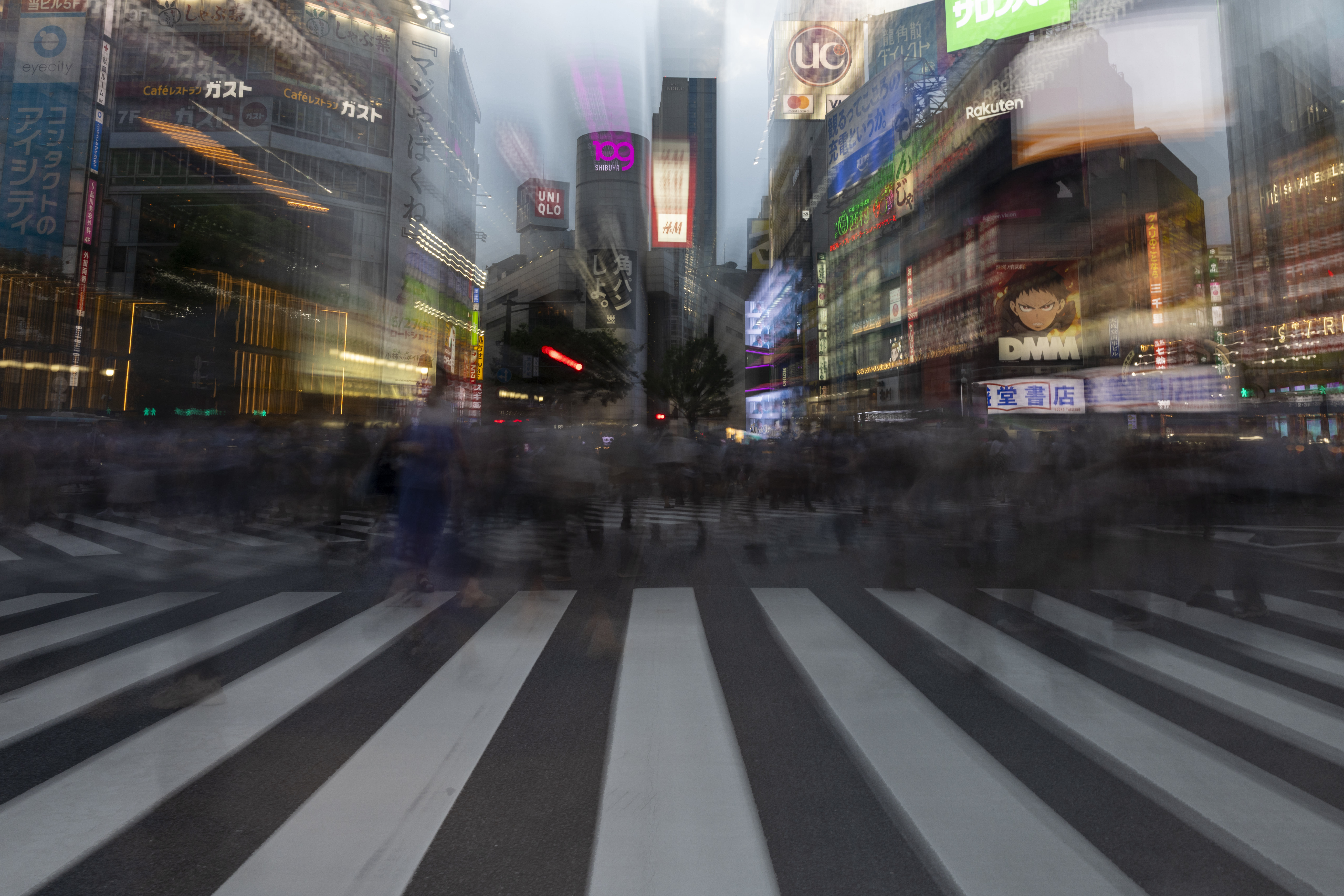
We also took a photography tour in Tokyo where a local photographer took us to Shibuya Crossing, one of the most crowded parts of the city, to try our hand at some slow motion photography. This tour was through Aperture Tours and they provide photography tours around the world. This was our first time taking one of their tours and we found it fun and informative. It was an adventure as we traversed the busiest intersection in Japan and stood in the middle of traffic with a tripod to capture the chaos around us. We also did this at the bottom of a busy escalator as crowds of people traveled up and down from one of the many department stores. It was like standing still in Times Square, something we don’t ever do, and we have to say it was a pretty wild experience.
However, we were happy to return to our hotel which was off the beaten path in the Gotanda neighborhood, a quiet area that we’d recommend to anyone visiting Tokyo for the first time. We stayed at the OMO5 Gotanda, a new hotel situated on the top floors of a building that welcomes you with a food hall on its first floor. Yes, we know how to pick the right places to stay, don’t we? The hotel itself also has a lovely outdoor patio and a great restaurant that serves onigiri for breakfast, which became one of our favorite snacks in Japan.
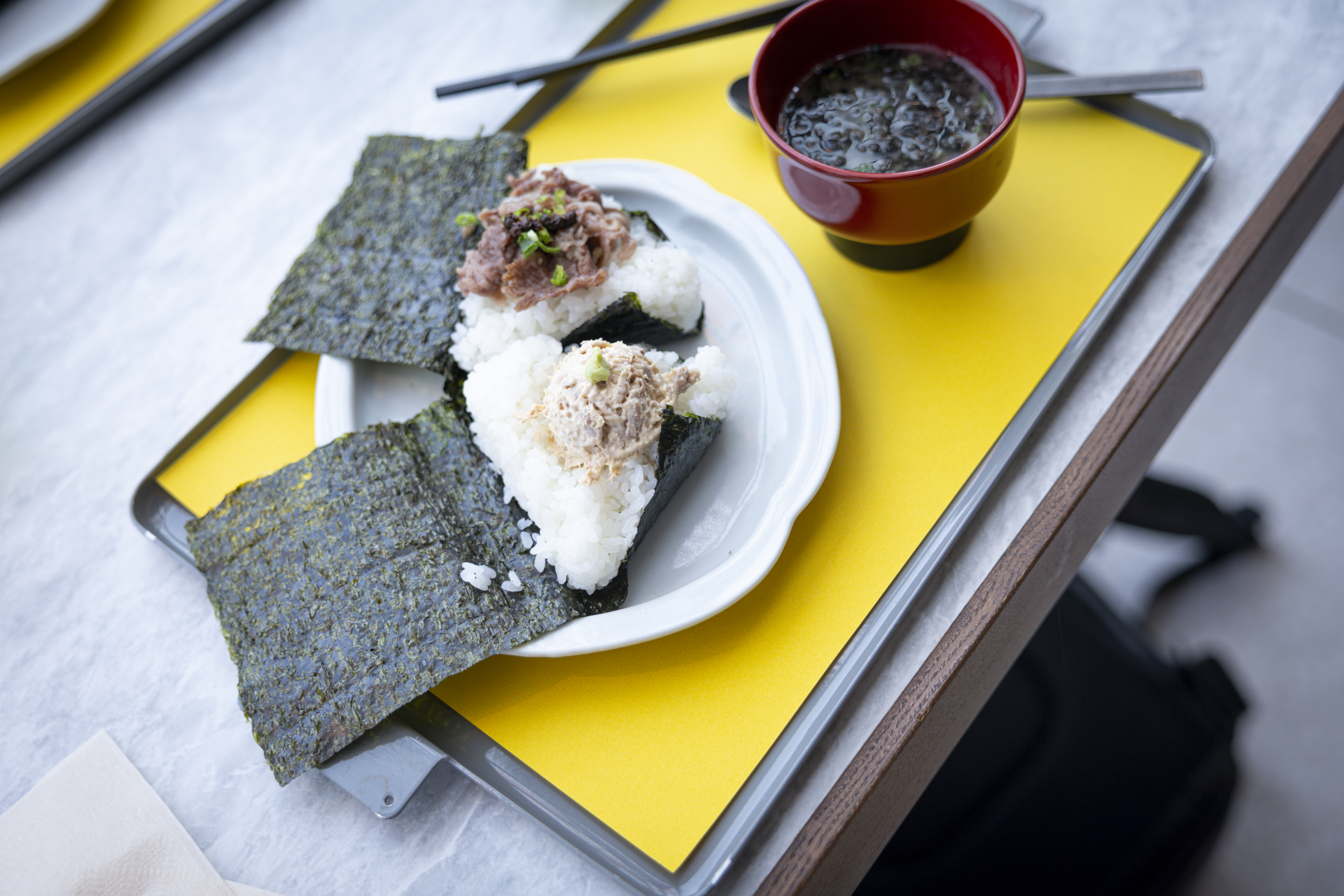
Onigiri is a Japanese rice ball wrapped in a seaweed jacket of sorts and comes in a variety of sizes with many options for fillings. They can be found in every convenient store, train station, and sometimes in restaurants made to order. It doesn’t matter where you buy one or what it is filled with, it’s absolutely delicious and light. Our favorite was the tuna mayonnaise version which tasted a lot like our version of tuna salad in America wrapped in rice and seaweed. It was addictive.
Speaking of convenient stores, Japan cherishes their 7-11’s and Lawsons, a store similar to a 7-11. You can find one on practically every street and they serve better quality food than you would ever find in an American convenient store. The number one item we went there for was the egg salad sandwich, a snack that Anthony Bourdain used to get at Lawsons whenever he visited Japan. We were told that the 7-11 version was better so of course we felt obligated to do a taste test. We didn’t come to any grand conclusions other than we thought both were delicious. It’s served on white bread with the crusts cut off and contains just egg and Japanese mayo. It’s delicious and a bit addicting, and it surely stinks up a hotel fridge when you bring them back to your room. But worth it, totally worth it.
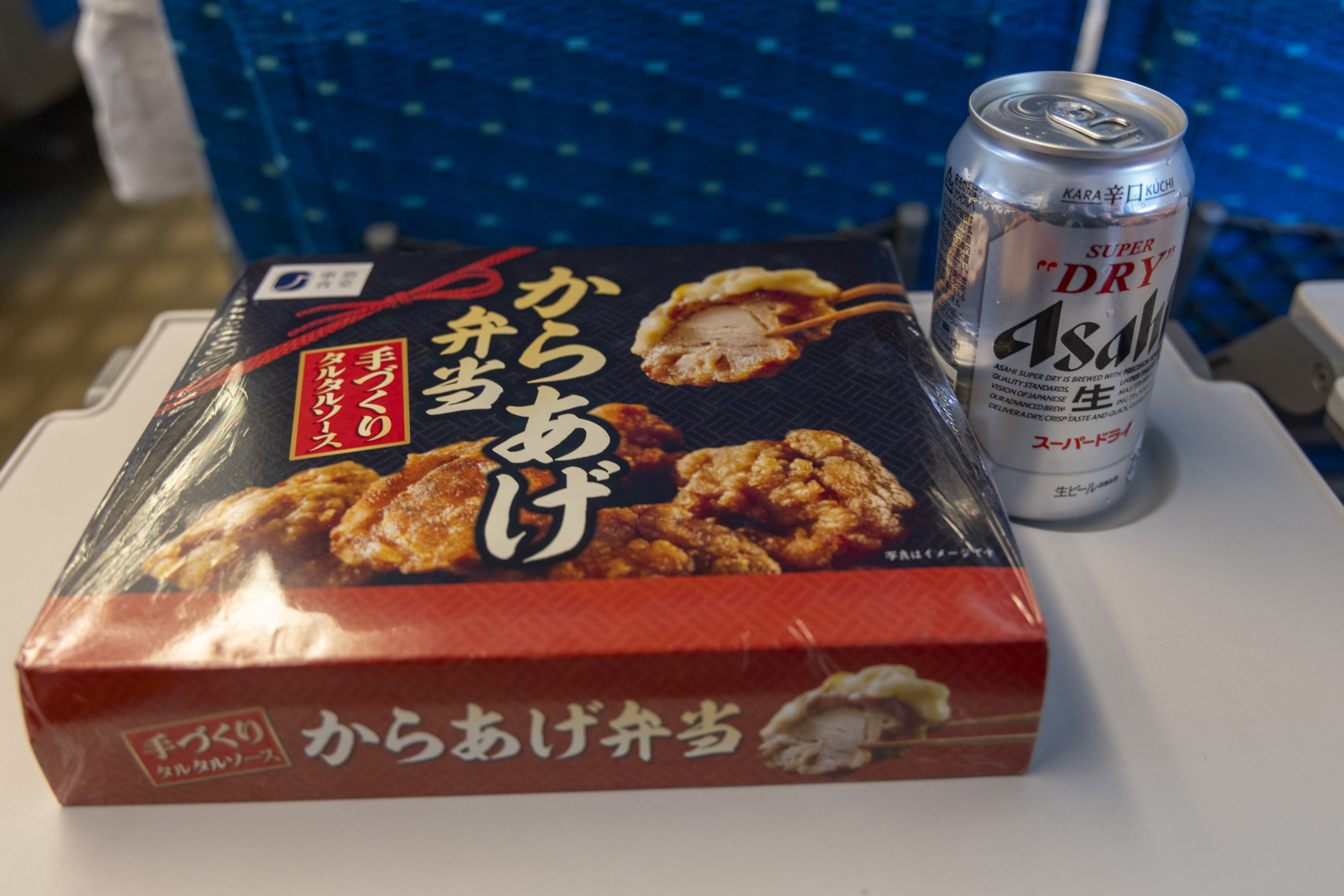
After a few days in Tokyo, we packed up and headed to Kyoto via bullet train. Before leaving, we had to pick up a bento box for the ride. It’s almost a requirement to pick up a bento box for the train as every store in the train station sells them and they come in every shape and size and are filled with all sorts of food. They are usually eaten cold, but they do have some self-heating varieties where you pull a string and it warms up the box of food. They kind of remind you of cold tv dinners, with better quality food inside. We picked up two bento boxes for the ride along with two cold beers and “sort of enjoyed them” while riding the fastest and quietest train we’d ever had the pleasure of riding. The bento boxes were not the most satisfying meal. We got a rice and fried chicken bento box and a Chinese dumpling version and while it wasn’t horrible, it wasn’t great either. Cold chicken and cold dumplings aren’t really our thing, and we agreed that that would be our last bento box for the duration of the trip.
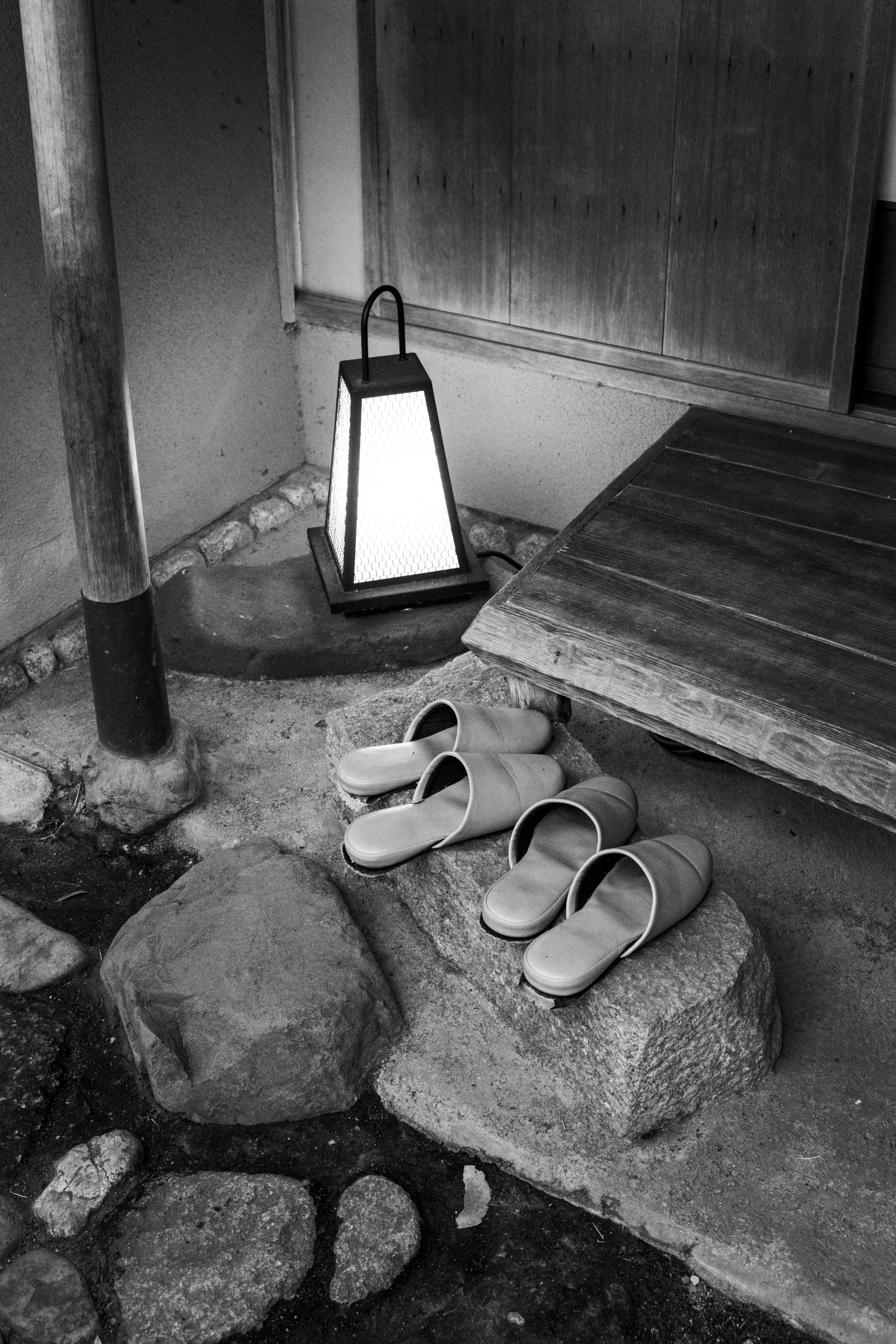
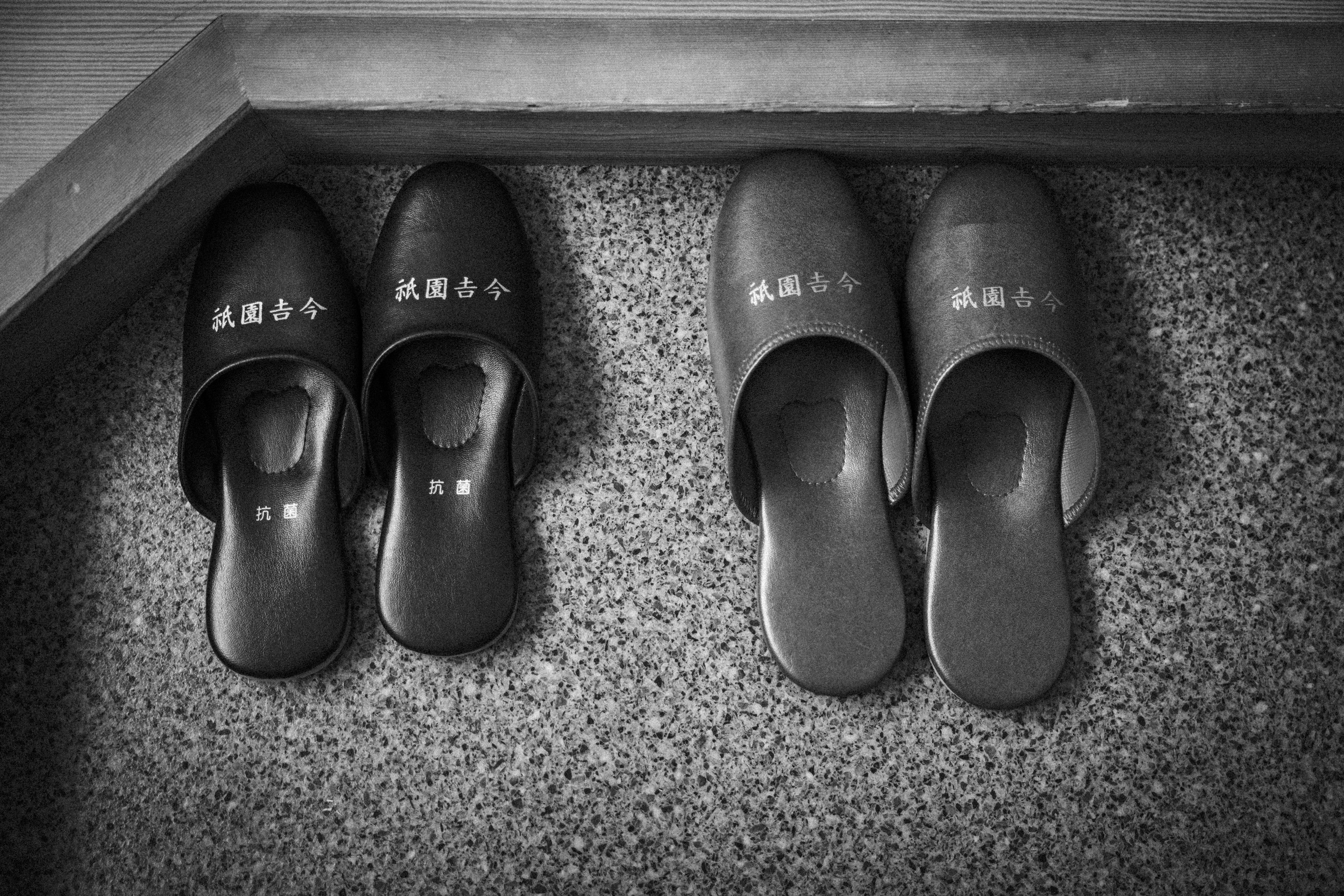
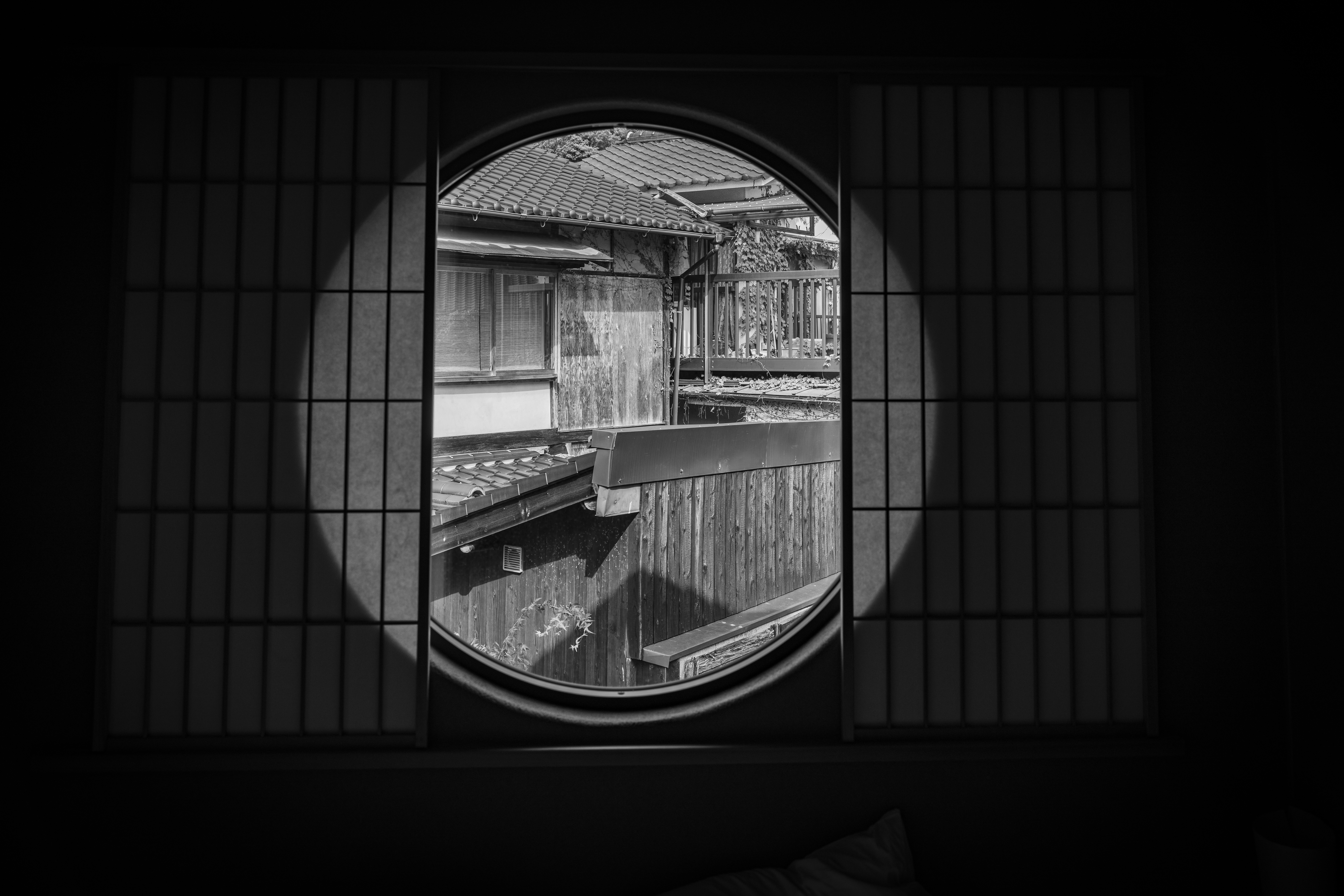
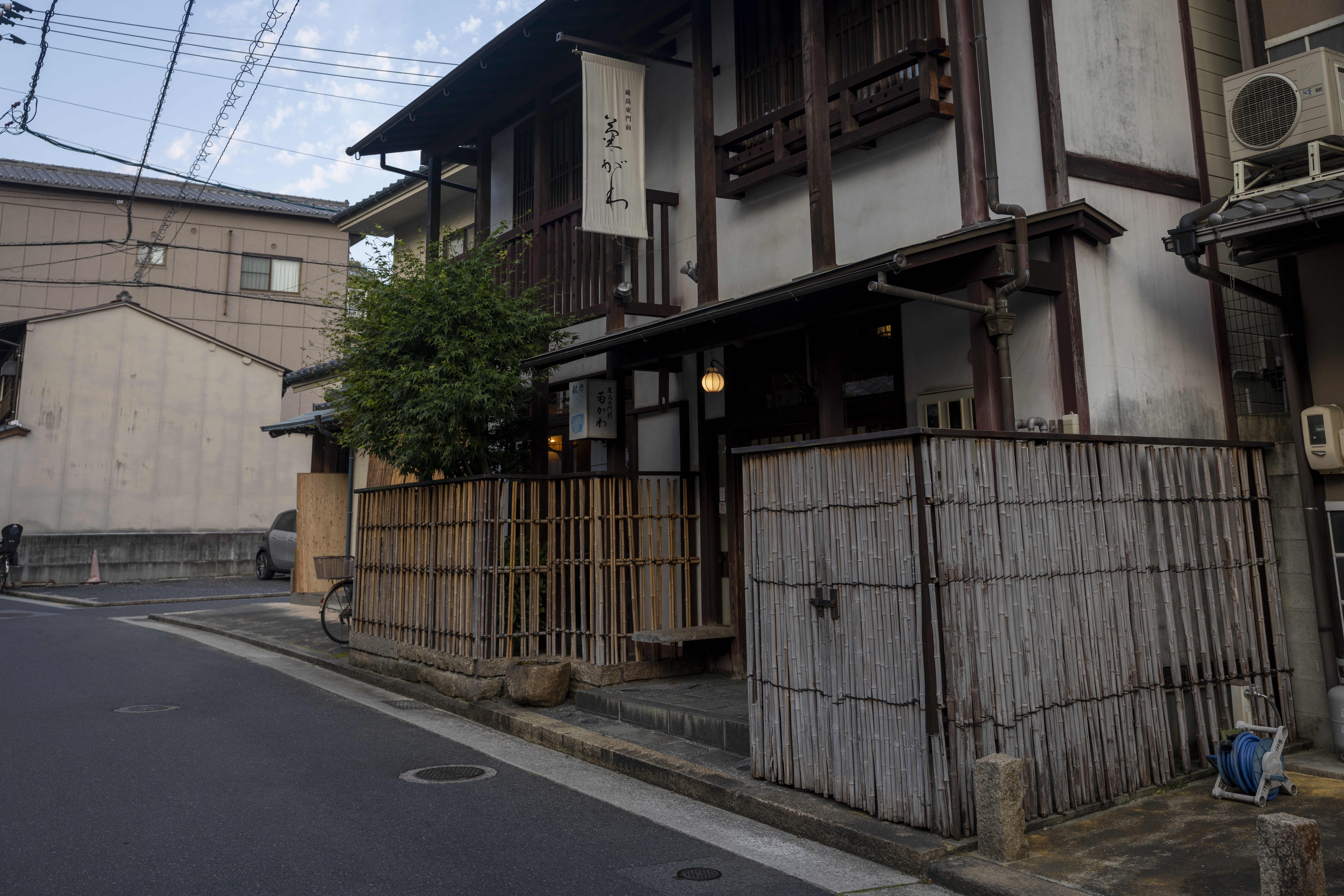
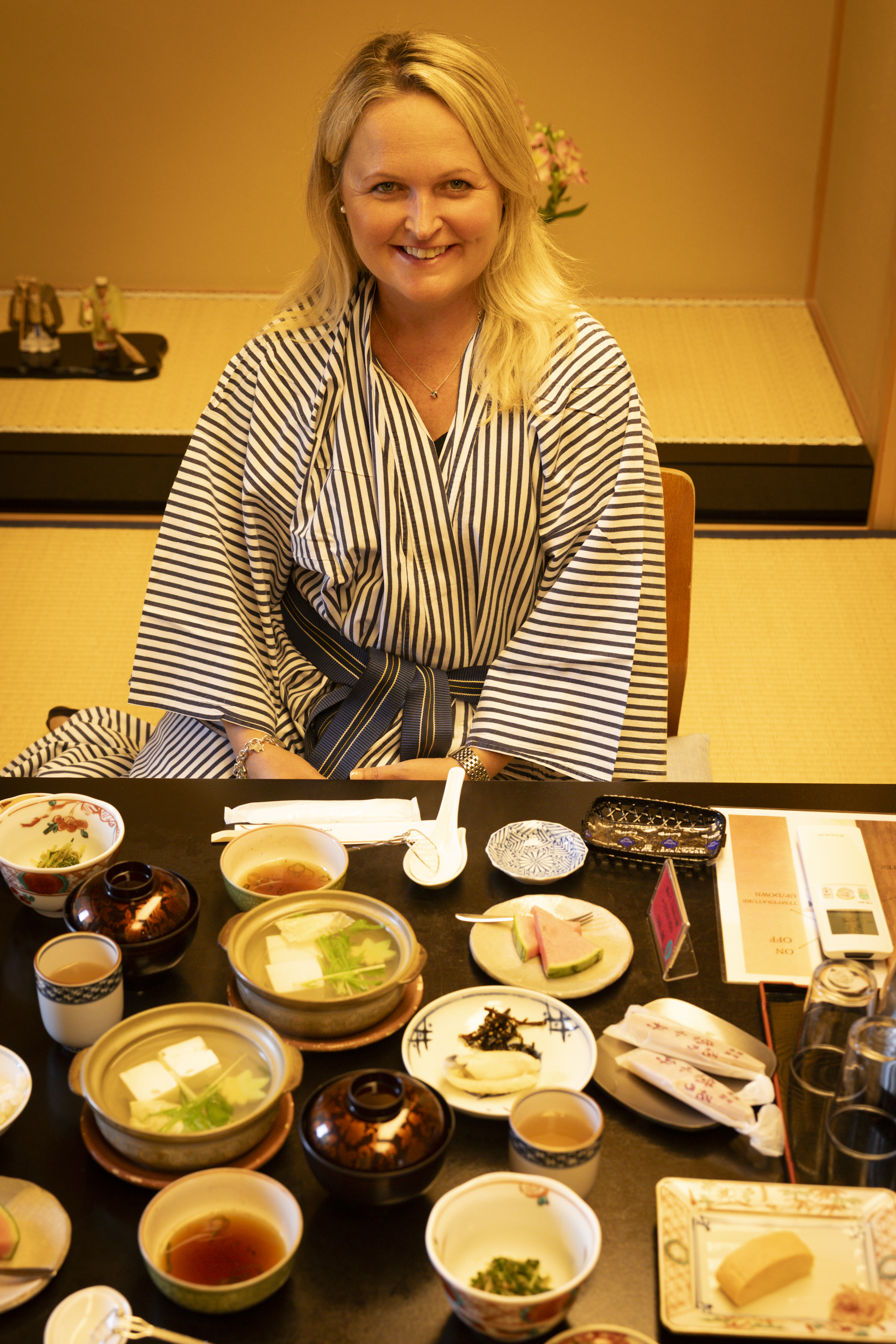
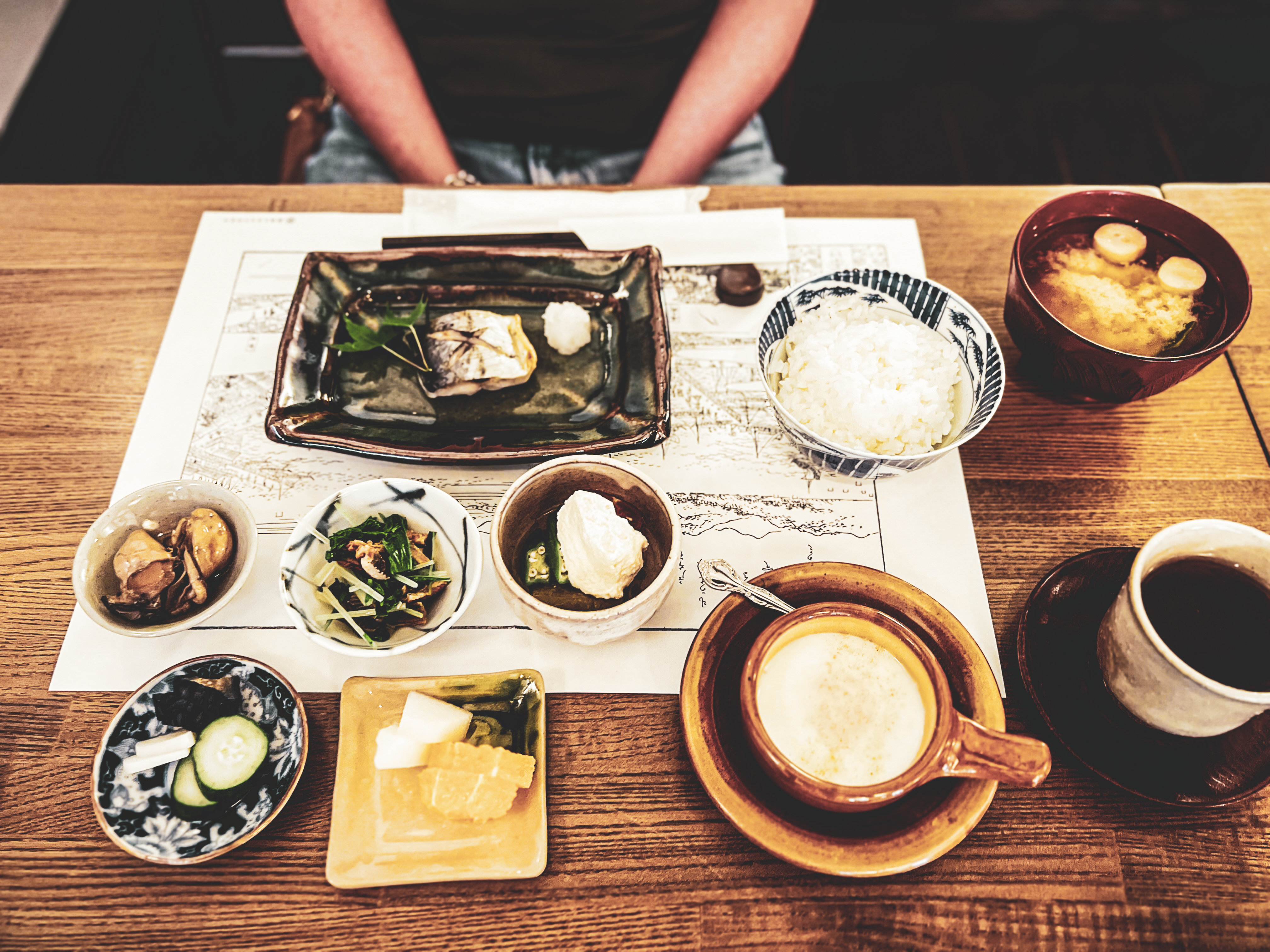
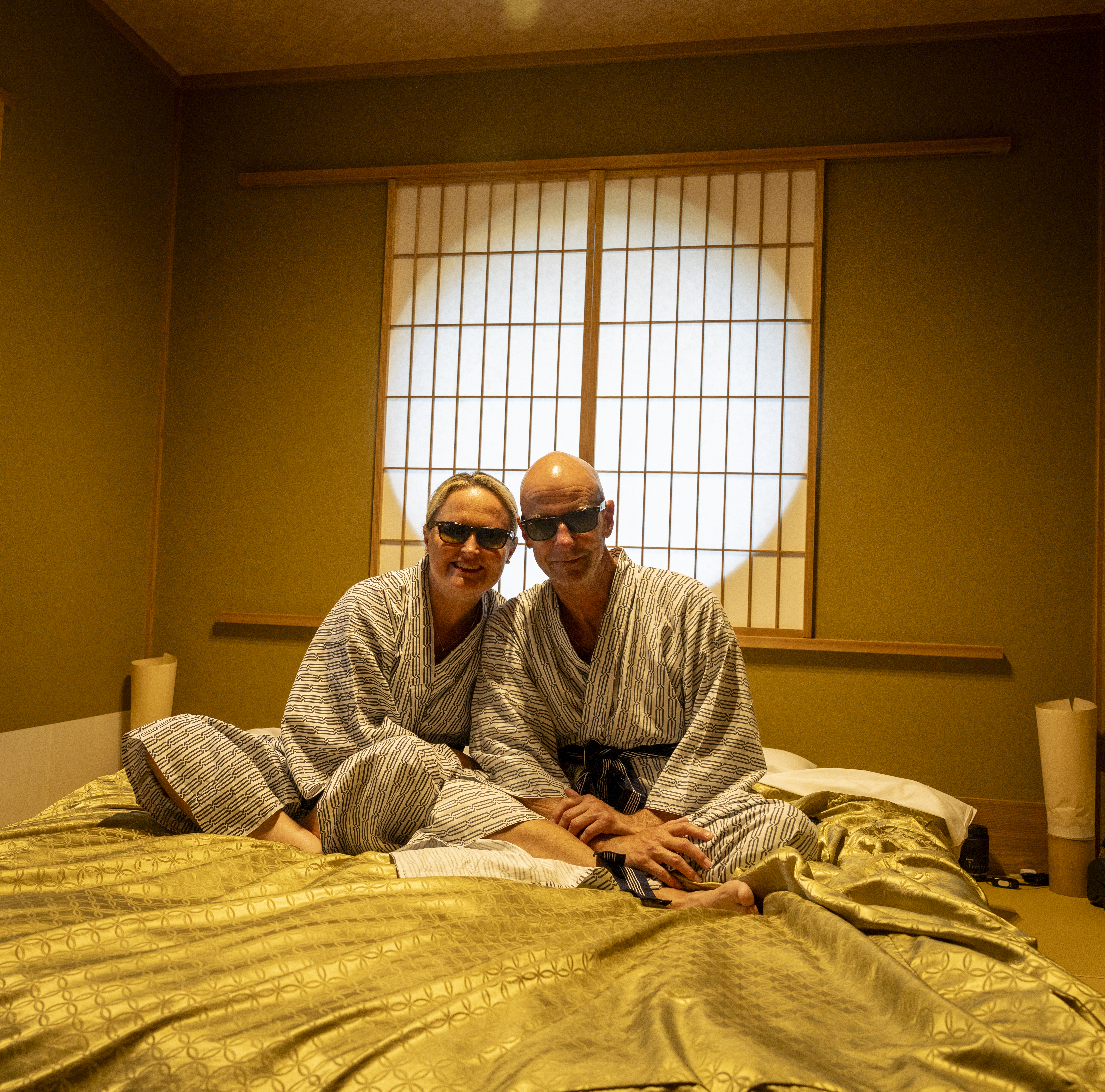
In Kyoto, on our first night, we stayed in a traditional ryokan inn. At a traditional inn, you have to remove your shoes at the door and put on the slippers waiting for you. You sleep on a traditional tatami mat on what the Japanese call a futon, which is really just a thin mattress atop the tatami mat. At this ryokan, we had an extremely large room containing all of the modern day amenities with a luxurious shower room and bathroom. Sleeping on the tatami mat was a bit hard to get used to as it was extremely flat and hard. The pillow was the most disconcerting part of the whole experience as it felt like our heads were sleeping on a bag of uncooked rice. We awoke in the morning thankful that we’d be moving to a hotel, but eager in anticipation for the traditional breakfast that would be set up in our room. When that time came, the staff entered our room, removed our futons and set up a large table where we had slept. They then presented us with a delicious breakfast containing miso soup, rolled omelettes, rice, fish, pickled vegetables and fruit with cups of green tea. Even with all of that food, the breakfast was filling and light and kept us energized for the rest of the day.
Our second hotel in Kyoto was the Granbell Hotel Kyoto, another place that I would highly recommend for your first visit to this city. It offered a lot more comfort in a smaller room, and we enjoyed the lobby and bar where the bartender was fun to talk with each day.

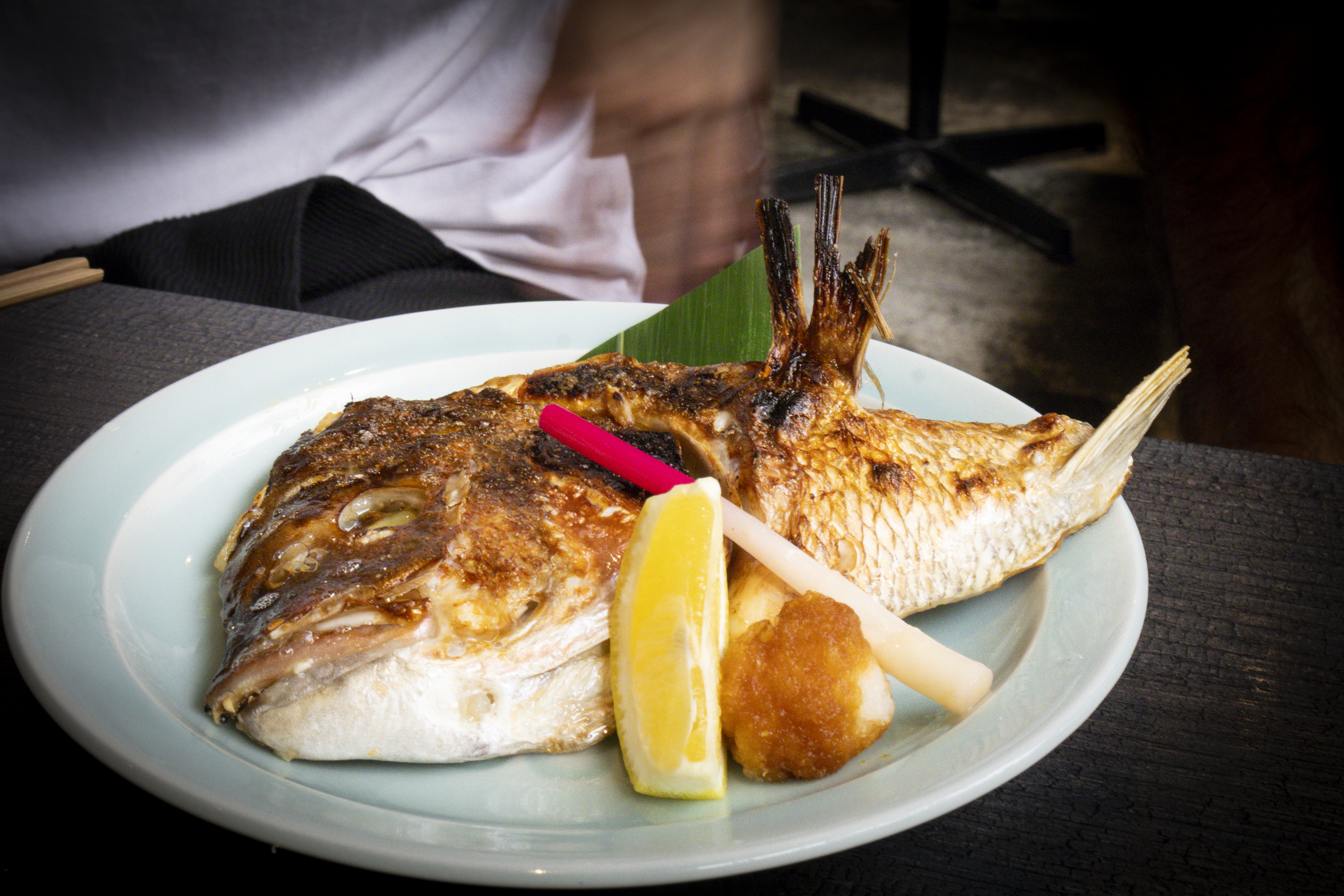
We took two food tours in Kyoto, one at night and one at the Nishiki Market during the day. On the night tour, we were with a lovely family from Seattle and their teenage boys kept us laughing the entire evening. One of them got talked into eating an eyeball of the fish head early in the tour, and while we all cringed as he chewed and chewed, he enjoyed the challenge. The Kyoto night tour consisted of mostly vegetables as Kyoto is known for this type of cuisine. Kyoto is also known for its good water, so tofu is big here. The tofu and tofu skin that we sampled was some of the best tofu we’ve ever eaten. And, the tofu doughnuts stole the entire show for the night tour as we both declared them our favorite bite.
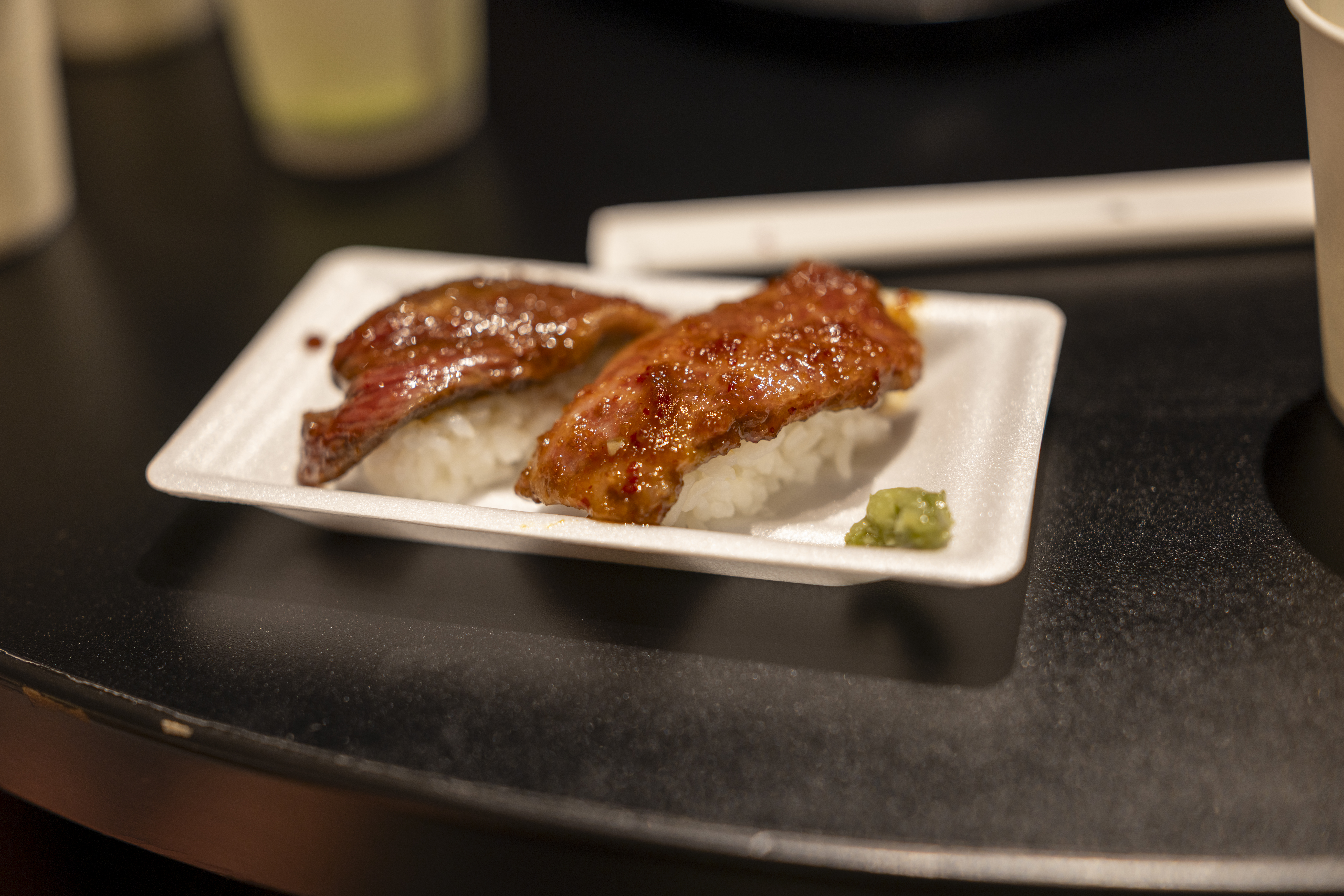
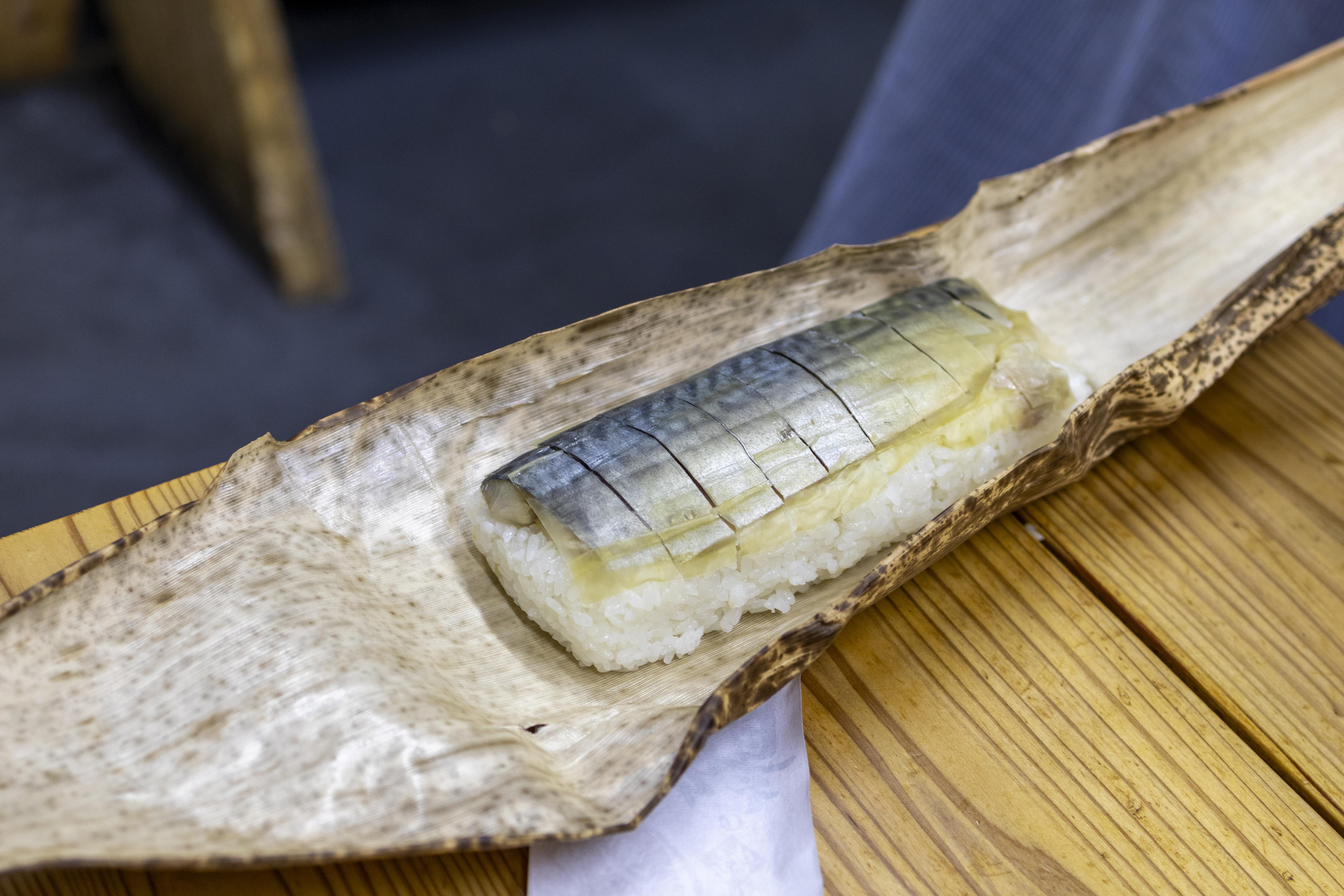
On the Nishiki Market tour, we were with a family from New York City. On this tour, we were challenged to eat a small purple octopus in which the head was filled with a quail egg. Out of 7 people on the tour, only three committed to this challenge. We were two of the idiots who agreed to this, and we ultimately regretted it as it was totally gross. We were also told that it’s not even a Kyoto food, but something they sell to tourists in the market. Not a proud moment for either one of us. On this tour we learned a lot about mackerel and how it needs to be cooked or pickled in order to avoid parasites. This is something we found out after we ate it as sushi, but then were told it was pickled so we’d be fine. We could have used that information before we ate it, but alas, we are still alive and well. This is also the tour that we got to try our first taste of wagyu beef, served like sushi over rice, but cooked rare. It was delicious and probably our favorite bite of this tour.
Next to our hotel in Kyoto we found a tiny gyoza restaurant that we later learned had just opened a few weeks prior. We ate at this restaurant three times! The food was delicious and the staff were so kind. The gyoza were like little pillows of love filled with garlic, ginger, or chili oil. Here we ate one of our favorite meals of the trip, pork with an egg on top. The orange yolk draped over the tender pork was exquisite, and we expressed our love for this dish so much that the people sitting next to us had to ask if it was the best thing we’ve ever eaten. At that moment, it totally was the best thing we’d ever had.
In Kyoto, we visited the Arashiyama Bamboo Forest early one morning. We took a subway and then a tram to get there. Since we were early, we beat the crowds and enjoyed the shade from the tall bamboo towering above us. The longer we walked, the more people arrived and made what should be a peaceful place, an Instagram haven. Unfortunately, this is what Kyoto has become, a place teeming with what NY Magazine calls “kimono bros,” a disruptive crew of tourists who only serve to disrupt the zen.
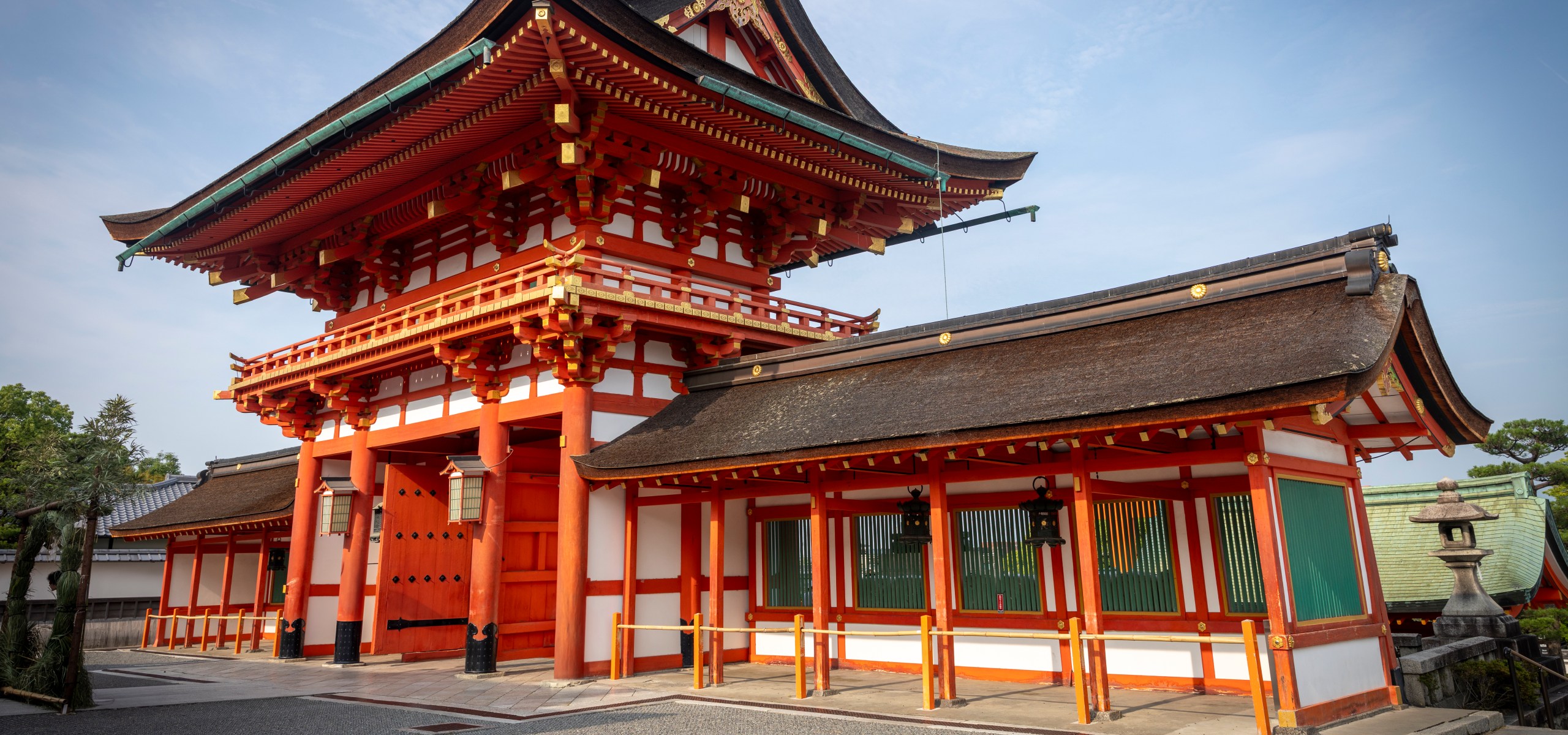
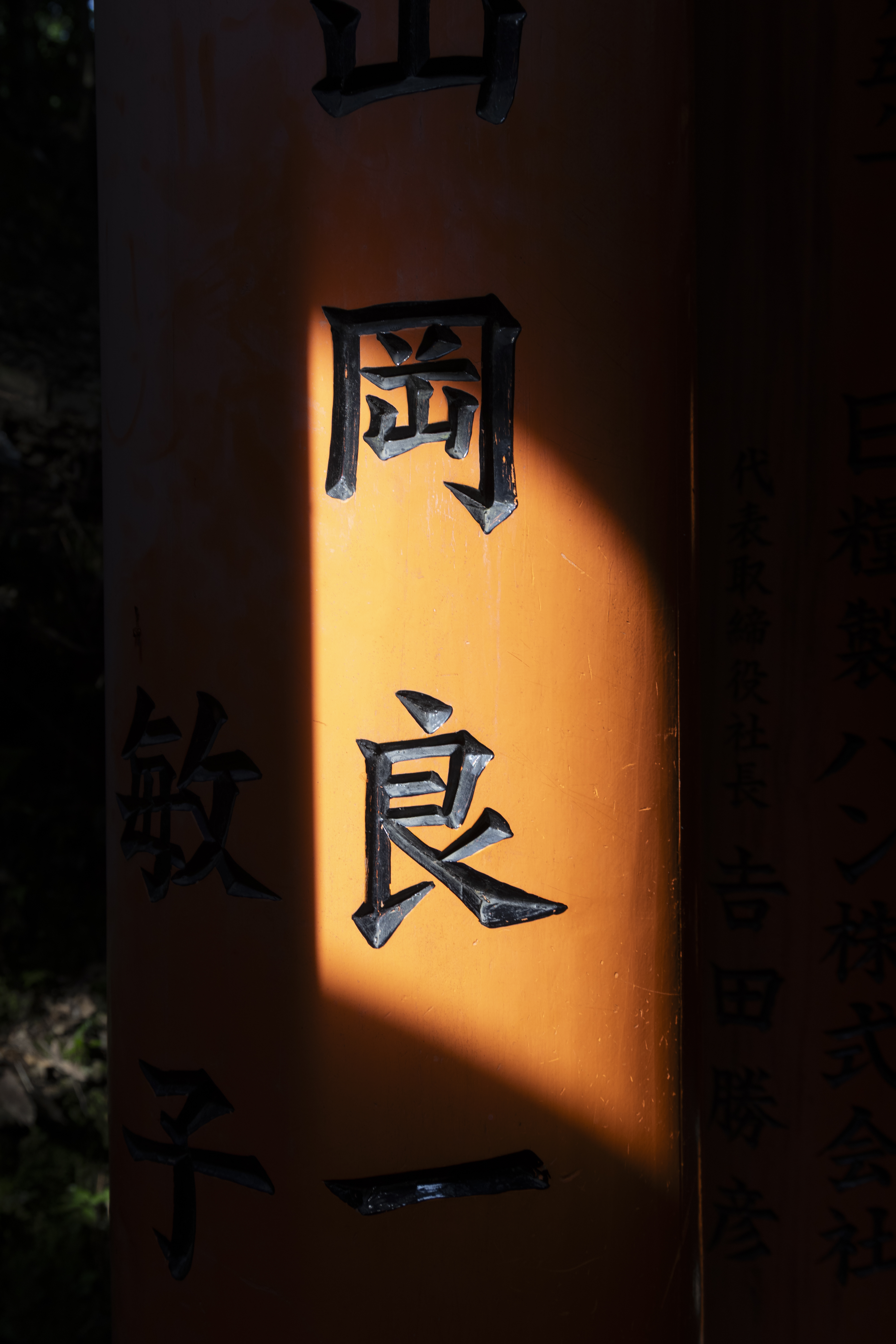
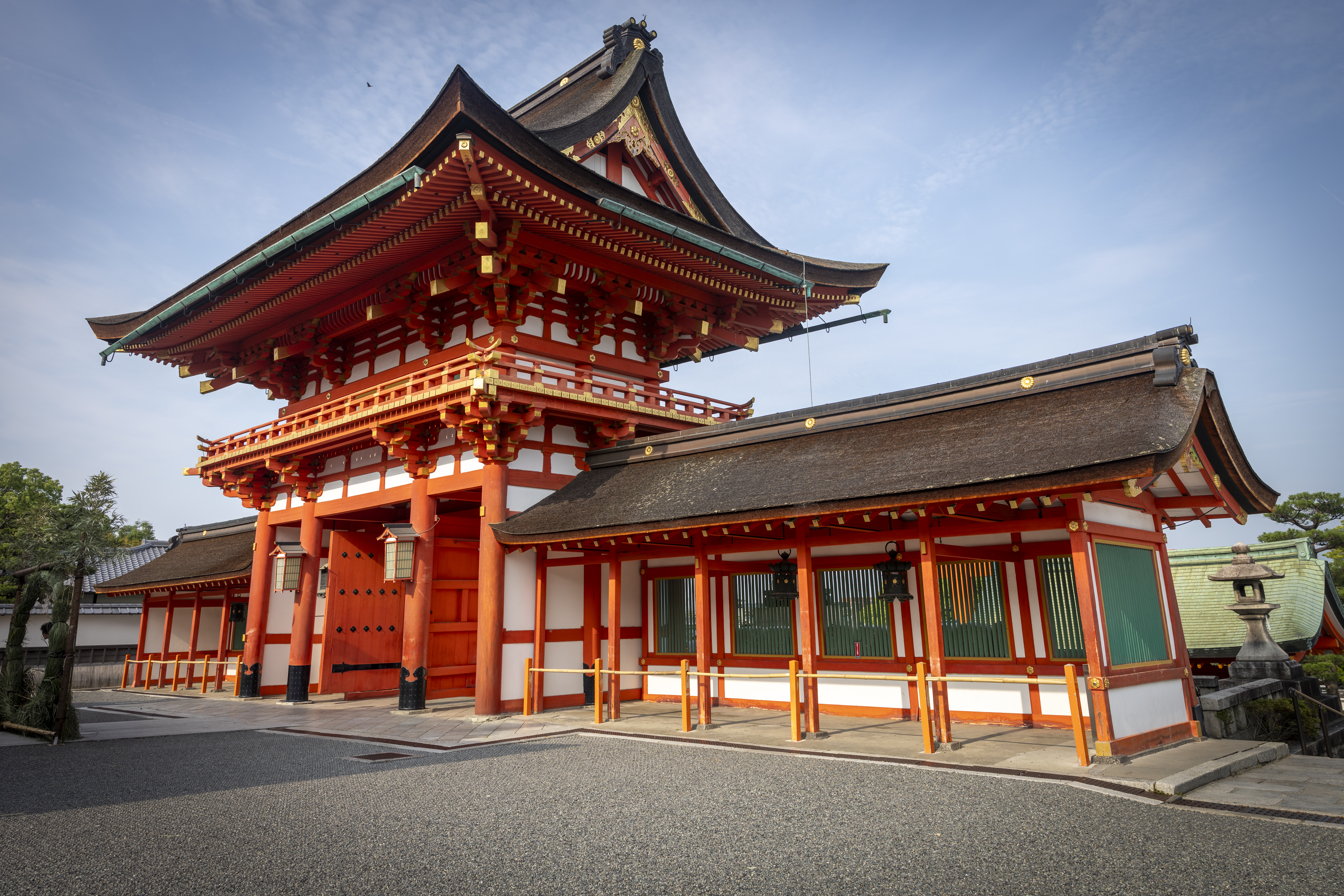
This is also the case at the Fushimi Inari Shrine, the orange torii gates that extend high up into the mountain. Here you can lose the Instagram crowd if you have a strong sense of will and like to hike in the heat. The farther you walk up the mountain, the more you can lose the social media crowd and capture a photo without people posing for influencers. We highly recommend you wear comfortable shoes and take the hike. It’s totally worth it.
After Kyoto, we took the bullet train to Osaka, what we like to call the food amusement park of Japan. Here we took our last and best food tour of the entire trip. Osaka is known for fried balls filled with octopus, and these are grilled and sold from stalls all across the city. They are delicious and come with all sorts of toppings like bonito, mayo, or green onions. We personally loved the green onion version, but found the bonito ones also very tasty. On this food tour, we also got the opportunity to try delicious sushi and sashimi, including our first taste of raw octopus. We also passed on the somewhat raw mackerel here due to what we learned on our Kyoto tour. We also went to an izakaya on this tour and tried all sorts of tempura battered goodness, including tempura battered pumpkin and tempura battered pork, beef, and shrimp. Our tour guide found it confusing that pumpkins are used for jack-o-lanterns in the states and was boggled as to why we don’t eat pumpkins instead of decorating with them. Also on this tour, we had a huge and delicious pork dumpling, that we declared the best bite from the Osaka tour.
We also found our own places for good eats in Osaka. We found a yakitori place hidden in the basement of a building and enjoyed a variety of grilled skewers: asparagus, gyoza, chicken, and shrimp. In addition, for breakfast one day, we found a made-to-order onigiri spot that was off-the-charts delicious. They also had the best miso soup of the entire trip.
One of the things we wanted to find in Japan was a good Japanese jazz bar, or jazz kissa as they are called there. We went to two jazz bars in Osaka and while both were good, we preferred the first one that we visited Bird/56. At jazz kissas, the bartenders play jazz music on turntables, with always a record on deck when the current song ends. Bird/56 was hidden on the third floor of a building. We climbed up the spiral staircase to a small dark bar that reminded us of Bond Street in Asbury Park. The staff was so friendly, and it was clear with all of the writing on the wall, that this place had been visited by people from all over the world. Here we enjoyed beer and yuzu and soda, a refreshing drink that served to cool us off after a day of sweat from the heat. They also serve fresh fruit, rice crackers, and potato chips for a small table charge. We enjoyed every minute of our time here, and wish we’d spent more time in Osaka so we could return.
We also found another bar in Osaka, Public Bar Islay on the second floor of a building. Not a jazz kissa, but another small place with an old school vibe and a friendly bartender. We enjoyed talking to him about our trip, and he advised that we do a comparison taste test of the Osaka okonomiyaki and the Hiroshima okonomiyaki. Both of these are a type of Japanese pancake filled with all sorts of things like cabbage, pork, and eggs. But in Osaka, they add fish to it, and in Hiroshima they add noodles. While we had already had a taste of the Osaka version and we declared it delicious, we knew the Hiroshima one would be more in our wheelhouse. How can one resist udon or soba in your pancake?
Before I get to that though, our hotel in Osaka was lovely. We stayed at Hotel The Leben Osaka which was within walking distance to everything. It was a newer more modern building with a bigger room than we were used to in Japan. They also provided cold water and tea in the lobby which seems minor when we mention it, but was totally necessary when we returned each day dripping in sweat.
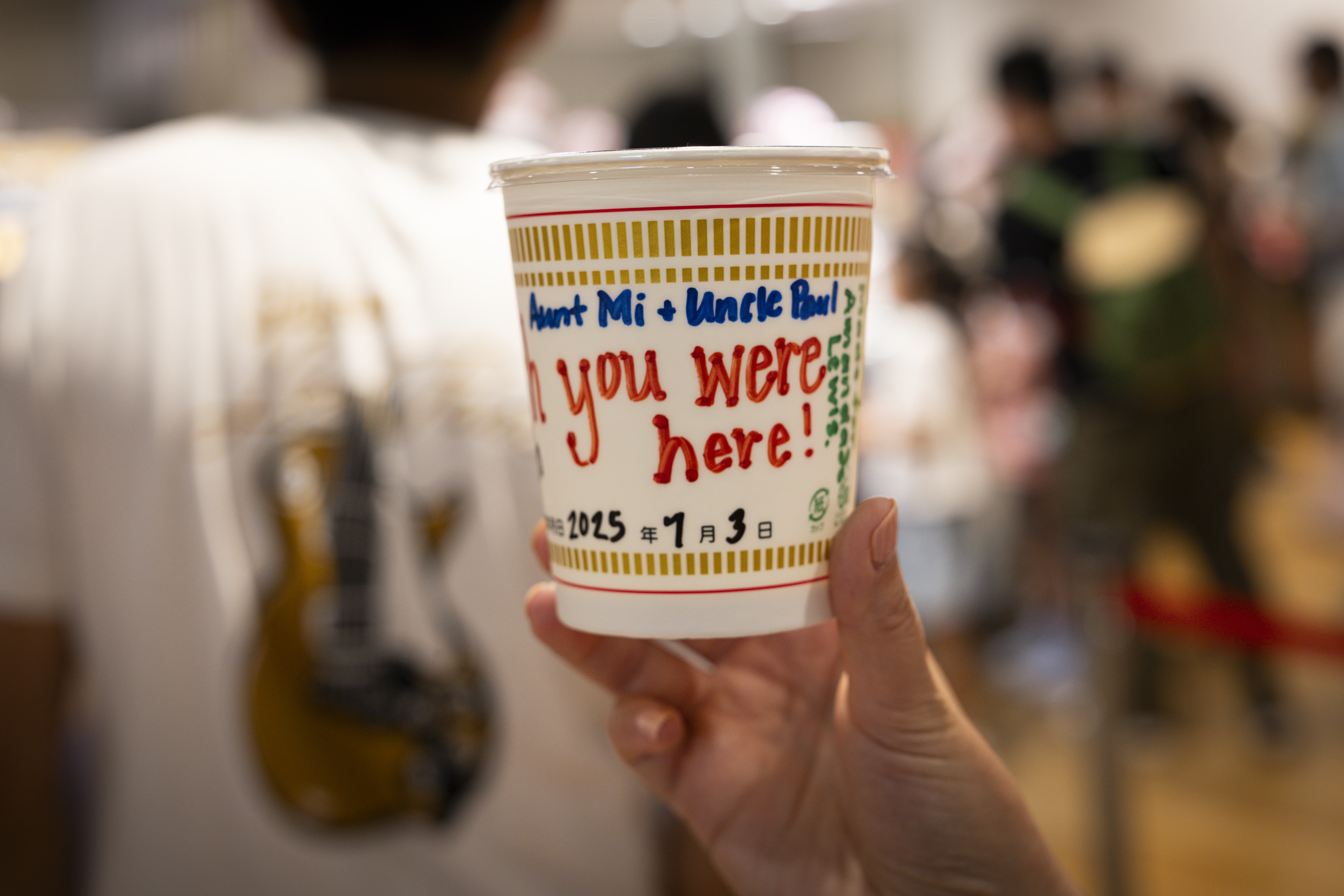
One of our day trips in Osaka included a visit to the Cup Noodles Museum where you learn the history of one of America’s favorite processed foods, and you get to design and create your own Cup Noodles. We were surprised to learn that Cup Noodles had Japanese roots as we totally assumed it was born in America, the land of high sodium processed junk. But no, it was born in Japan, the home of the first instant ramen noodle. We created two of our own Cup Noodles and took it through the factory process of adding our own toppings and seasoning for broth. We attempted to make vegetarian versions that would not be an issue to bring home, but unfortunately, we found out the chili tomato broth seasoning is indeed made with pork, and that can’t be carried back into the US. So, after transporting Cup Noodles all the way back to Tokyo with us, they found themselves at the bottom of a hotel garbage can never to be seen or transported to the United States of America.
We took the bullet train from Osaka to Hiroshima with a planned stop for the Hiroshima pancake at a predetermined and researched establishment within the Hiroshima train station. We chose soba noodles as part of our filling, and we shared the traditional version of this famous pancake. We liked it, and couldn’t really decide which one was better of the two. We didn’t crave it though, and we both agreed that it wasn’t really our favorite food item of the trip.
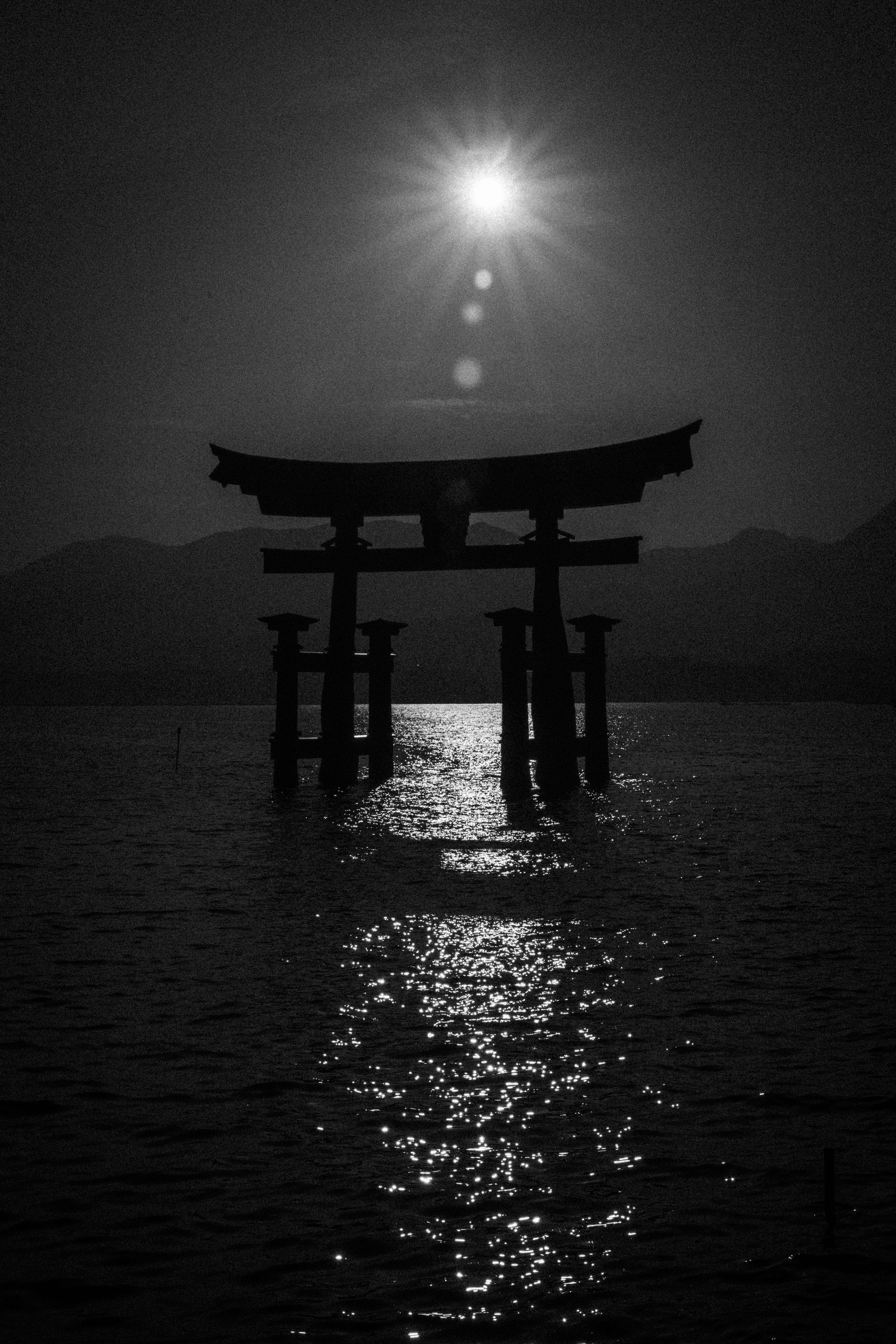
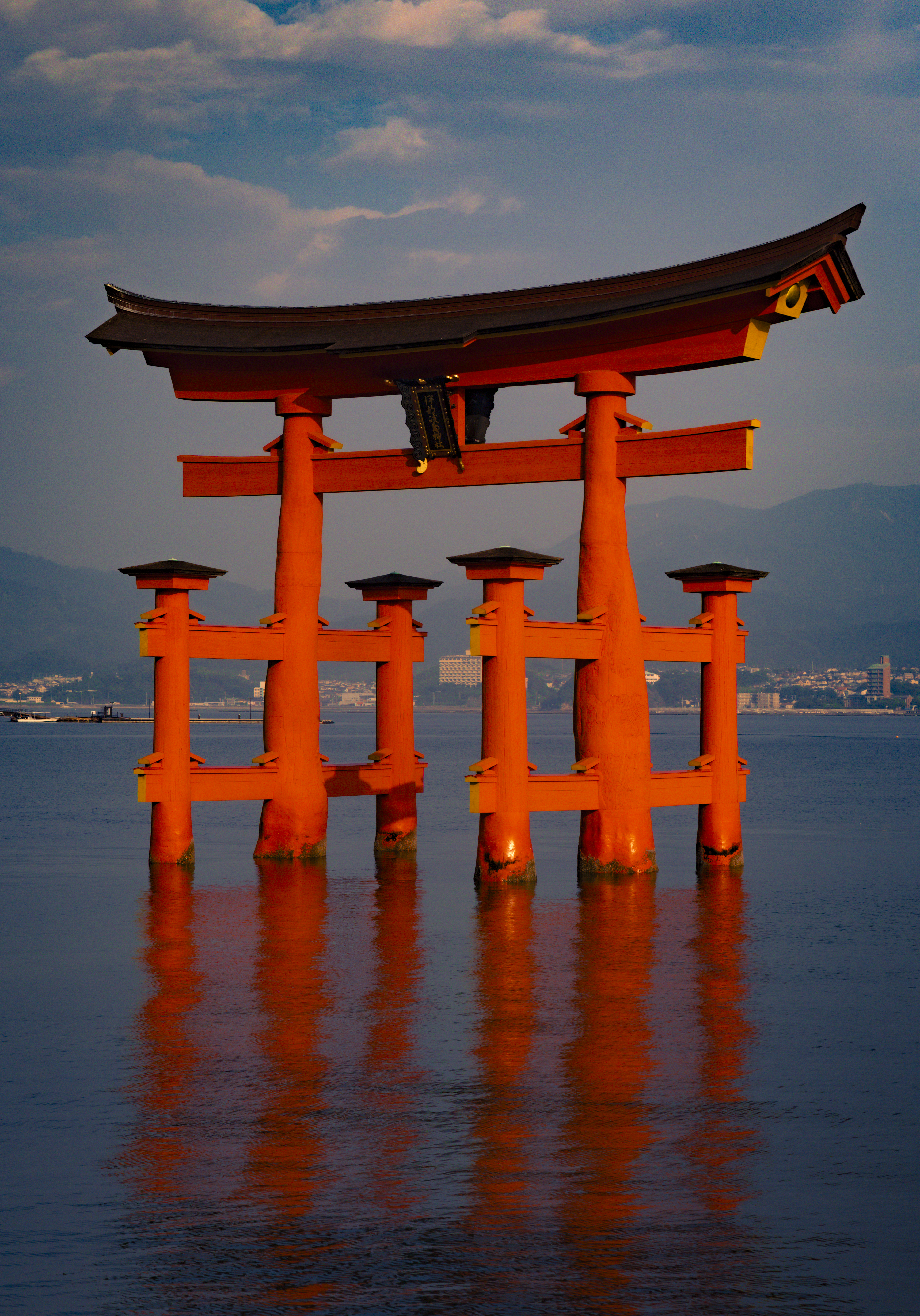
We didn’t stay in Hiroshima, but took a train and then a 10 minute ferry to the island of Miyajima. Miyajima is very touristy with ferries bringing travelers in by the boat load all day long. Everyone is here to see the shrine that floats on water, the giant orange torii gate called the Itsukushima Shrine. For this reason, the shops and restaurants on Miyajima Island are only open during the day and the island completely closes down at night, with only a convenient store and a few restaurants that remain open. Here wild deer roam the streets, and during the day, tourists are reminded with a message via a loudspeaker that those deer are wild and will eat your belongings. This doesn’t stop people from feeding them or petting them, or even trying to take them home as pets. It’s amazing the lengths humans will go to to get just a touch of wildlife in their lives. We steered clear of these wild guys, especially since they smelled like horse manure. Yet they were cute, very cute, from a distance.
We stayed in another traditional ryokan in Miyajima, this one with a much fluffier futon and a better pillow. However, the room here was extremely small, and we had little room for our luggage. We are light packers, so we couldn’t imagine what other people do with their giant suitcases when visiting a place like this. This ryokan provided breakfast every morning, but downstairs in their lobby area. Breakfast here was even better than the first ryokan, with fresh filets of fish, miso soup, rice, pickled vegetables, fruit, egg omelette, and green tea.
At night, we found it hard to find dinner since everything closed so early. Luckily, we found a hotel bar and a staff member who took a liking to us. She advised us to go to an oyster restaurant that closed at 6pm, but we could sneak into around 5:30 to catch the last order. We took her advice and the oysters were phenomenal. They were as big as your head, but grilled, steamed, or fried. We tried the sampler plate with all of the different varieties and the freshness and the tenderness blew our minds. The size of the oysters themselves were enough to make you wonder if you should even eat them, but they were incredible. We highly recommend! We even returned to the hotel bar to thank our new friend for the suggestion, and we enjoyed a lovely evening talking to her about her experiences living and growing up in Japan. She was so gracious and kind to us, and even followed us out the door to say goodbye. This is why we love to travel. To meet people and connect with them in all sorts of unexpected places.
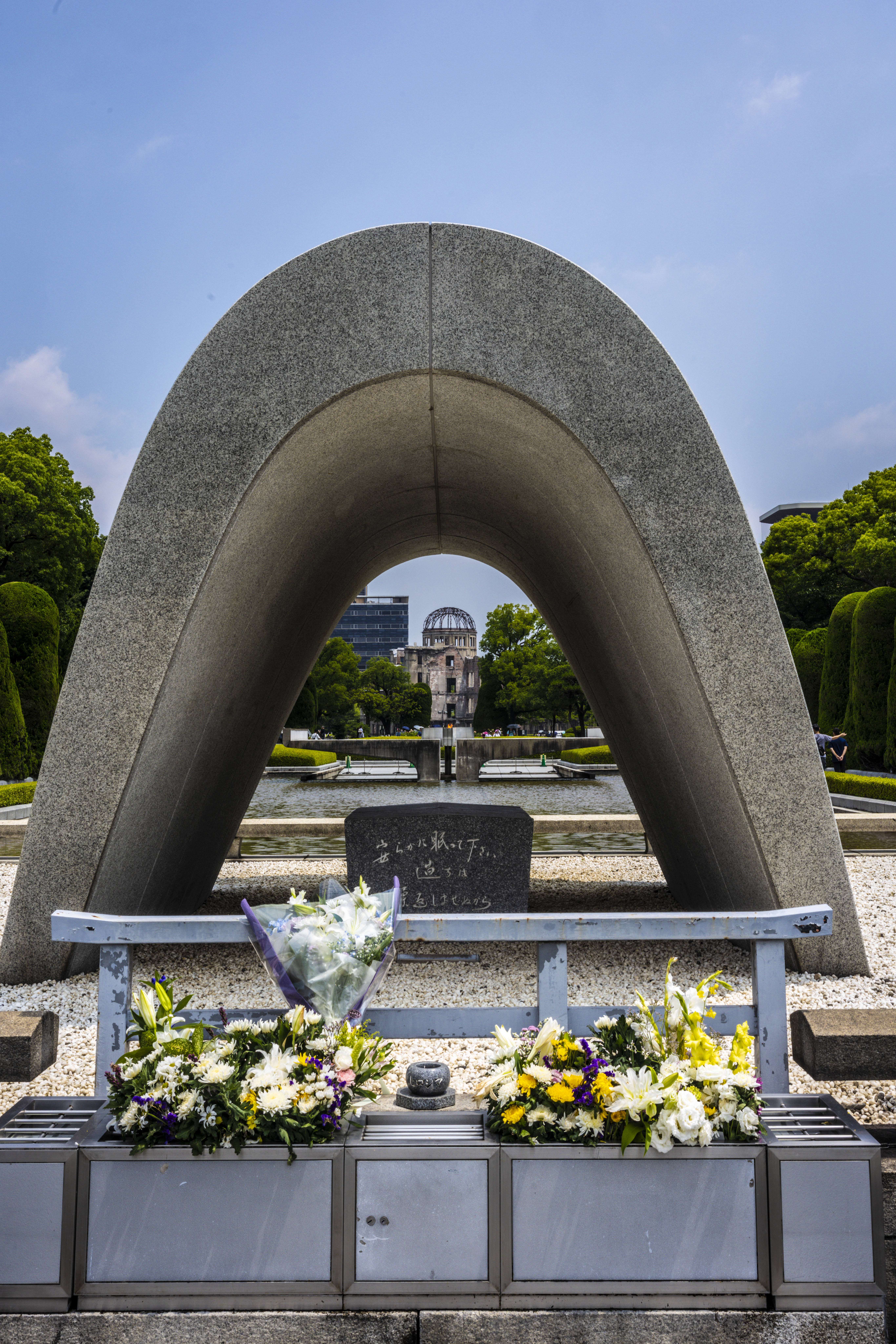

Our first full day in Miyajima allowed us to take the ferry and subway back to Hiroshima to visit the Hiroshima Peace Memorial Museum. Here we took a somber walk through the before and after of Hiroshima city: before the atomic bomb and after the atomic bomb. It was truly one of the most eye-opening experiences we’ve ever had, and to view the photographs and read the stories was absolutely heart wrenching. After the museum, we walked through the park, past the memorial for children and to the Atomic Bomb Dome, a building left behind as a stark reminder of the horrors of the past. It was hard to describe standing in Hiroshima, a place known to have suffered the worst attack brought on by the hands of humans. Many people asked us if it was safe to visit Hiroshima, and the answer is yes. It’s been safe since the 1950’s, and we highly recommend you come here should you ever get the chance. Read the book Oppenheimer before you go. It gives an in-depth background of the development of the atomic bomb, and helps put a lot of what you see at the museum into context. It’s a painful experience, both reading the book and visiting Hiroshima, but it’s a reminder that we all must learn from the mistakes of history to try to make this world a better place.
If you go to Hiroshima, spend at least one night in Miyajima. You get the torii shrine all to yourself at sunrise and sunset, and you can escape the island and go into Hiroshima just when all the tourists invade the island. A good tip for all that want to enjoy some peace and quiet away from the day trippers.
We returned to Tokyo on the bullet train for our last night in Japan. We stayed at a hybrid hotel/ryokan outside of Shinjuku that offered an onsen experience which is not typically found in hotels in the city. It seemed most people were drawn to this hotel for the onsen, a Japanese bath. This place was known for the bath due to its rooftop location that apparently had great views of Tokyo. We chose to not partake in this experience, especially because one of us is prone to break out into a rash (Michelle) and can’t handle intense heat. However, we did enjoy our most expensive meal of the trip at the hotel restaurant. Here we had a tasting menu of about ten small courses with a sake tasting and a glass of red wine, all for $150 total. This was the most money we spent on any food throughout the entire trip, and it was delicious. Every course was lovely and we enjoyed a variety of sushi throughout the meal. We both raved about how good everything was, and we returned to the hotel room to get a good night’s sleep before our flight home. Only one of us got extremely sick and did not sleep all night (Michelle again). We were saddened that our end-of-trip meal caused such a terrible 24 hour illness, but it only impacted one of us, making us question if it was the meal at all or just the culmination of eating so many different kinds of foods that were foreign to an already sensitive stomach.
Our flight home from Tokyo also included an irresistible upgrade to Polaris, and we slept like a king and queen on a direct flight all the way home to Newark. We are thankful, so thankful, for the things we’ve gotten to do in our lives, and never ever take these kinds of opportunities for granted. We work hard, some of us in the past tense now, to travel often, and we will never ever be ungrateful for the choices we’ve made to be graced with these kinds of experiences. We can only hope they continue for many years to come.
I end this post with some tips we have learned about traveling to Japan. They will certainly help anyone looking to go to one of the greatest places on Earth:
-Download the Welcome Suica app on your cell phone. Add money to it through Apple Wallet. You will use this to enter and exit the subway. Subway rides are cheap, and the app can be used without even opening your phone. Just tap your phone on the sensor and go.
-Buy some guide books, read them, and figure it out. Don’t go with already packaged tours and wind up stuck with an organized group for the entirety of the trip.
-Pack lightly and fashionably simple. The Japanese dress well, and not like Americans. Don’t show a lot of skin, and bring good sneakers. In fact, the baggier your pants, the better. It helps with the sweating situation too.
-Eat everything, even if you think it might be gross. Except for the eyeball. Pass on the eyeball, and the octopus head with the quail egg in it. Don’t eat that either.
-Turn down the volume. A loud voice is not welcome in Japan.
-Find an airline you like and get the credit card. Buy everything with that credit card and load up on the points. The most expensive thing about going to Japan is getting there. Let the points get you there. It may take years, but you can get the entire flight for free with a good saving technique.
-Learn how to say hello and thank you in Japanese. It goes a long way.
-Always book an unreserved ticket on the bullet train. This allows you to pick whichever train you’d like and doesn’t lock you into a time. They run every ten minutes and you can always find a seat.
-Eat at the convenience stores. Trust us.
Thank you for reading about our trip to Japan. We are excited to be updating the blog again, even though we are many trips behind. We know we didn’t ever blog Portugal or the Paris Olympics and Switzerland, but we are hoping to make some time for the things we are passionate about, writing and photography as we continue to wander this Earth. Enjoy these photos from our trip of a lifetime.
 Bringing Down the White Picket Fence